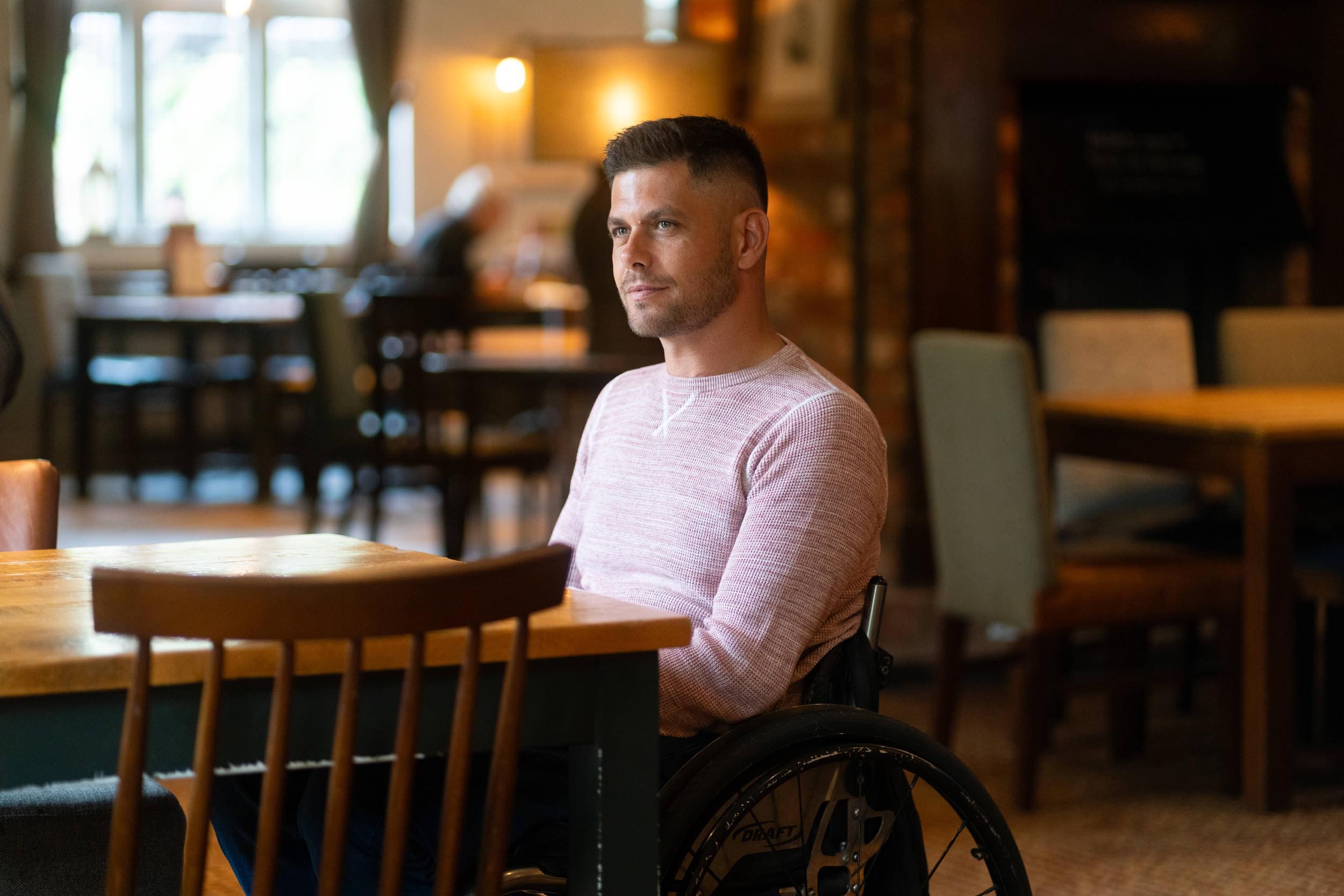
Paralysis compensation claims
An injury that leads to paralysis is devastating. If you’re in this position because of someone else’s negligence, you deserve support. Our specialist paralysis injury solicitors can help you secure the compensation you’re entitled to, so you can rebuild some independence and live well.
-
-
 TOP-RANKED LEGAL EXPERTS
CHAMBERS & LEGAL 500
TOP-RANKED LEGAL EXPERTS
CHAMBERS & LEGAL 500 -
NO WIN, NO FEE



Can I make a paralysis claim?
You might be able to make a paralysis claim if you believe someone else’s actions left you paralysed. Paralysis is the loss of muscle function in your body. It makes it hard or impossible for you to move certain parts of your body, and people can suffer two main types of paralysis: complete or partial. The effects of this injury are significant, and you deserve guidance on your options
For your claim to be successful, our team will work with you to understand the circumstances and where negligence might have played a part. Paralysis can happen if you’ve been injured in a road traffic collision, accident at work, or through a fall in a public place. We’ve successfully settled cases where people have suffered severe injury in these circumstances, which can include; Paraplegia (both legs and sometimes your torso), Tetraplegia / quadriplegia (all four limbs and your torso) or Hemiplegia (one side of the body).
Spinal cord injury (SCI) is a major cause of paralysis. Damage to your spinal cord disrupts and sometimes blocks these signals, making movement and sensation below the injury limited or impossible. People who suffer paralysis are often unable to live independently in the same way, and so their entire life is impacted. If this feels like you, our team can talk you through your options with no pressure to proceed.
Example of a paralysis claim
Imagine a person was struck by a car while crossing the road, and left paralysed as a result.
If the pedestrian took all reasonable steps to cross safely, and was crossing at a designated pedestrian crossing, and the driver was distracted while looking at their mobile phone – which meant they failed to stop – there may be grounds to make a paralysis claim.
Common paralysis claims we can support with
Expertise you can trust
- 9/10 clients would recommend us
- Dedicated rehabilitation and wellbeing team
- Securing interim payments to ensure early access to support


What compensation can help with

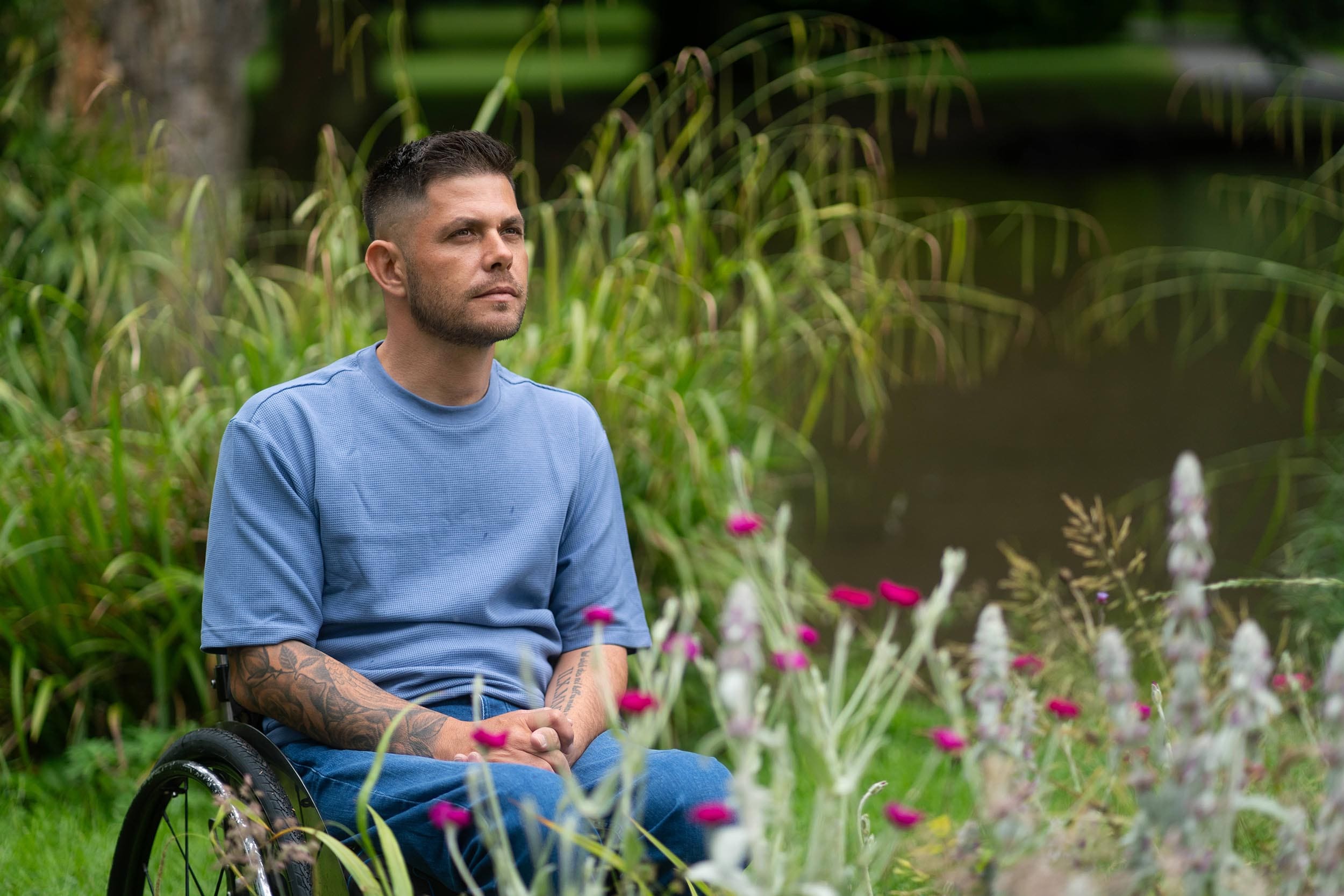
Recovering lost income and covering future care.
It’s completely understandable to feel worried about money at the moment. When everything has changed so suddenly, financial pressure and uncertainty about the future can feel overwhelming, but you don’t have to face that alone. Paralysis compensation can help you feel secure again and make sure your future is properly supported.
Compensation can fund:
- Rehabilitation
- Specialist treatment
- Equipment like wheelchairs and mobility aids
- Home adaptations
- Professional care
- Emotional or psychological support
- Lost income, both now and in the future
Understanding the potential value
We supported someone who was sadly left paraplegic after a road traffic collision, when a driver failed to give way at a junction. Our team secured a £2.55 million settlement to fund their rehabilitation, ongoing treatment, and an adapted home.
The settlement helped to provide long-term support and stability, so our client was able to live well even after suffering such a significant injury. In serious paralysis cases, packages can reach six or seven figures, to reflect the cost of lifelong support.
Understanding interim payments
It’s also important to know that financial help can often start sooner than you might expect. Interim payments may be available while your case is ongoing, helping to ease immediate pressure.
These can cover urgent costs like treatment, equipment, or everyday living expenses – so you can focus on yourself, your recovery, and adjusting to what comes next, without the constant worry about money.






Why choose Fletchers for your paralysis compensation claim
We work closely with medical and rehabilitation experts to support every part of your claim, and regularly secure settlements that exceed a million pounds in compensation. We’ve represented people who’ve suffered catastrophic injuries, including traumatic brain injury, amputation, spinal cord injury, and chronic pain disorders. We once represented a client who suffered a spinal cord injury when he was knocked down by a delivery driver, who failed to stop at a red light. Our client was able to have private treatment, and 24/7 support in place at home.
Expertise you can rely on
- Specialist paralysis solicitors, with decades of combined experience
- Ranked by Legal 500 as a leading firm in serious personal injury law
- In-house rehabilitation team, working with leading clinicians and prosthetic specialists from the earliest stage of your claim
- Multi-million-pound settlements secured for clients who have suffered paralysis due to injury
- Rated excellent on Trustpilot by the clients we’ve supported
- No win, no fee, so you can pursue your claim without financial risk
You're not alone
We understand the challenges you’re facing
We know that suffering a paralysis injury affects so much more than your immediate wellbeing. Your independence, ability to enjoy your usual routines, and relationships with your friends and family can all be affected. Family members are often forced into positions of care, which can really impact the dynamics of your relationships. The emotional and financial pressures can feel just as heavy as the injury itself.
People come to us feeling uncertain about the future and unsure where to turn. But we have a proven track record securing spinal injury and paralysis compensation. We build substantial settlement packages to help fund life-long care, rehabilitation and adapted housing – which is often needed by people who’ve suffered such a life-altering injury.
Our care goes far beyond legal services. We offer multi-disciplinary support around your recovery, and have independent experts around the country – including case managers, therapists, and clinicians – waiting to help. Our client-centric approach has also won awards. We’re recognised for our compassion and expertise; and our senior leaders hold panel memberships – which means their knowledge of the law is recognised at a national level. Our blend of experience and genuine compassion means you can be confident you’re in the right hands.


Rehabilitation support
We go beyond legal advice to support you, not just your case, making sure the right care and practical help are in place throughout the compensation claim process.
A message from our Rehabilitation and Wellbeing Team
We work alongside Fletchers Solicitors’ legal experts – listening carefully to your needs, helping you understand what support is available and creating a personalised recovery plan.
Led by rehabilitation manager Julie Chorlton, we bring together expertise across healthcare, therapy and welfare support, and can help arrange access to treatment and financial support. We also work with accredited mental health professionals, giving you and your family access to counselling quickly.
OUR REHABILITATION & WELLBEING TEAM


FAQs about paralysis compensation claims
What are paralysis compensation claims?
Paralysis compensation claims are legal actions you can take if you have been left with a loss of muscle function or sensation as a result of someone else’s negligence. Paralysis can range from partial loss of movement in one limb to complete loss of function across the whole body and can be temporary or permanent depending on the nature and severity of the injury.
Common types include:
- Paraplegia
- Tetraplegia
- Hemiplegia
- Monoplegia
- Diplegia
How long after paralysis can I make a claim?
In most cases, you have three years from the date of the accident to make a paralysis compensation claim. If you only became aware later that your paralysis was connected to the incident, the three-year period may run from that date instead, known as your date of knowledge.
There are also important exceptions: if you were under 18 at the time of the accident, the three years typically run from your 18th birthday, giving you until your 21st birthday to bring a claim.
If a lack of mental capacity has prevented you from claiming, the time limit may be paused until capacity is regained. Whatever your situation, we’d always recommend getting in touch as soon as possible.Acting early gives us the best opportunity to gather evidence and build the strongest possible case.
How long does a paralysis compensation claim take?
Paralysis compensation claims are among the most serious and complex cases our team handles, and it’s important to be realistic about timescales. Many cases take several years to resolve, particularly where the full extent of a person’s long-term needs is still emerging or where liability is disputed.
We know that’s a significant period of time, and we’ll make sure you’re never left wondering where things stand. Our team will keep you updated throughout, and we’ll work to secure interim payments where possible so you can access the care and support you need while your claim is ongoing.
How to start a paralysis compensation claim?
The first step is to get in touch with our team for a free, no-obligation consultation. We’ll listen to what happened, let you know whether you have a claim, and explain your options clearly. From there, we’ll begin gathering evidence, including medical records, witness statements, and details of your financial losses, and where possible we’ll work to secure interim payments to help with urgent costs.
Our specialist solicitors will work alongside medical and rehabilitation experts to build a full picture of your injury and its impact, ensuring your claim reflects not just your immediate losses but your long-term care and future needs too. We handle paralysis compensation claims on a no win no fee basis, so there’s no financial risk to you in getting started.
How much does it cost to make a paralysis claim?
Fletchers Solicitors represents our paralysis injury claims clients on a “No Win, No Fee” basis. That means if your paralysis injury compensation claim is unsuccessful, you don’t pay any fees.
Our specialists will explain all your funding options at the outset. There are no hidden charges or unexpected bills.
Do paralysis compensation claims go to court?
The majority of paralysis compensation claims are resolved through negotiation and settle before reaching a courtroom. However, because these cases are often high value and liability can sometimes be disputed, court proceedings are more of a possibility than in some other claim types.
If the other side refuses to offer a fair settlement, we’ll prepare your case for court and represent you every step of the way. Our team will always be clear with you about the likelihood of court proceedings and what to expect if that becomes necessary. Whatever happens, you won’t face it alone.
Can I still claim paralysis compensation if I was partly at fault?
Yes. If you were partly to blame, this is contributory negligence. The amount of compensation you receive will be reduced by how much you were at fault.
What are the common causes of paralysis?
Common causes of paralysis include:
- Road traffic accidents: Pedestrian, bike, motorbike and car accidents often lead to paralysis. A high-energy impact can fracture or dislocate the vertebrae and compress the spinal cord.
- Accidents at work: A severe head or brain injury can result in life-changing paralysis. Causes often include falls at work and construction site accidents.
- Accidents: Slips, trips, and falls can lead to complete paralysis or partial paralysis. In these cases, your personal injury solicitor might recommend a public liability claim as the best way to seek compensation.
- Sports injuries: Serious spinal injuries in sports can lead to paralysis. For example, diving into shallow water where you hit your head on the bottom can cause severe cervical spine injuries.
Can I claim if the paralysis is only partial or temporary?
You can bring a paralysis injury claim for partial or temporary paralysis.
You’ll need to show that your partial or temporary paralysis was the direct result of someone else’s failure to provide their duty of care.
What if the defendant disputes liability?
If the defendant says they’re not at fault, our specialists build a legal case to prove that their actions or inactions caused your serious injury.
This includes gathering accident reports, witness statements and as much evidence as possible to rebut them. We engage with the other side until they behave reasonably, or we will issue court proceedings, with your permission.


A national team, here when you need us
With offices across the UK, we’re never too far away, helping people access specialist advice and support wherever they are.
You’re in safe hands
-
THE TIMES BEST LAW FIRM
-
CHAMBERS TOP RANKED LAW FIRM
-
LEGAL 500 TOP TIER FIRM
-
ARMED FORCES COVENANT
-
SIA - TRUSTED LEGAL PARTNER
-
HEADWAY ACCREDITED SOLICITORS
-
CBIT - TRUSTED LEGAL PARTNER








Start your claim with confidence
Not sure where to start? We’ll listen, guide you, and give clear, honest advice on what to do next.