Mark’s Road to Recovery: His Journey After a Traumatic Brain Injury

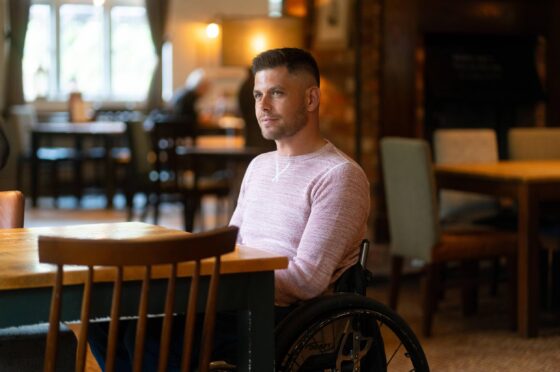
Not long into the new year of 2015, our incredible client Mark had his life changed forever when a motorbike collision left him with a severe traumatic brain injury.
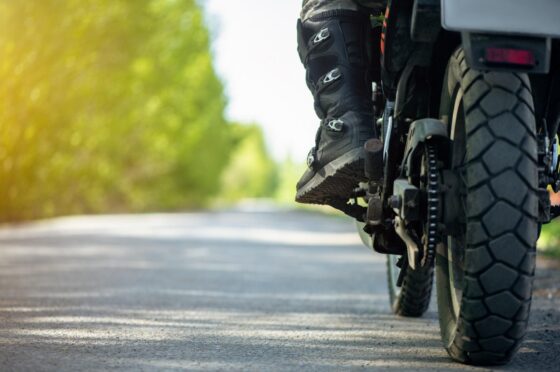
Mark’s incident was truly traumatic, he was riding his motorbike when a driver in the opposite direction, turned right across his path. Unable to avoid it, he collided with the driver’s door and was thrown onto the road, sustaining serious injuries. As he lay awaiting help from emergency services, traffic began to build, an impatient driver overtook the line of cars and ran over him, causing further severe injury.
Mark has no recollection of the weeks following the accident, leaving him to face the overwhelming challenge of simply being himself again. He has never been able to recall any of the accident.
In this article, you’ll read about:
-
How Mark’s life changed after a traumatic motorbike accident and severe brain injury
-
The challenges of early recovery, including relearning basic daily tasks and managing cognitive changes
-
The role of a dedicated rehabilitation team in supporting his physical, cognitive, and emotional recovery
-
How interim payments and legal support enabled access to essential therapy and resources
-
The importance of mindset, determination, and resilience in overcoming life-altering injury
-
How Mark gradually regained independence, ultimately defying expectations
Early recovery after a traumatic brain injury
Mark was admitted to ICU and was placed into a medically induced coma. His family were told to expect the worst. He remained an inpatient at Salford Royal until he was transferred to The Floyd Unit, Neuro-Rehabilitation Unit on 3rd March, where he commenced rehabilitation. When he regained consciousness, Mark was disoriented and unaware of himself.
“When I woke up, I didn’t know where I was. Didn’t know my own name. I was broken. Totally broken,” he recalls.
Mark spent many months in hospital, where even the most basic daily tasks became overwhelming challenges. Our team met him about three months after the accident, and Mark has no recollection of the period immediately following the crash or of the time before seeing us, highlighting just how devastating his brain injury was.
Brain injury recovery: Rebuilding the basics of life
Recovery after a serious injury, especially a traumatic brain injury, is about far more than physical healing. It can mean relearning fundamental skills, rebuilding confidence, and finding ways to adapt to lasting changes. For Mark, recovery meant starting again from the very basics of daily life.
In the early stages, even the simplest tasks felt impossible. He was unable to go shopping for food, cook a meal, or even make a cup of tea. His fatigue was overwhelming and persistent, the smallest activities would exhaust him for hours. Physically, he struggled with walking, climbing stairs, rotating his trunk, and dressing himself. Each movement required effort, concentration, and support.
Alongside these physical challenges were significant cognitive difficulties. Mark experienced poor concentration, memory problems, difficulty multitasking, impulsivity, and changes in mood. These limitations made everyday situations harder to navigate and added another layer to his recovery.
For Mark, rebuilding meant learning to walk again, adapting to permanent changes like the loss of taste and smell, and gradually regaining the ability to manage day-to-day life.
“I’ve had to learn how to walk again. I can’t taste anything. I can’t smell anything. That’s gone. That’ll never come back. If I make myself something to eat, even though I can’t taste it, I remember what it’s like and I really enjoy it. Without that input from my rehabilitation team, I dread to think where I’d be.”
His recovery journey required determination, patience, and the structured support of a specialised rehabilitation team. Through securing interim payments, we were able to appoint a dedicated case manager who carefully built and coordinated a rehabilitation team around Mark’s individual needs. Organised through his solicitor, Nicola Ryan-Donnelly, this team included neurophysiotherapists, occupational therapists, psychologists, and support workers, all working collaboratively to deliver therapy tailored specifically to support his recovery.
Mark’s journey is a powerful example of resilience and the importance of mindset and inner drive, showing how determination, combined with the right support, can make even the most daunting steps towards recovery achievable.
“Mindset is definitely… a big thing in recovery…You have to have that inner drive to get to where you want,” he explains.
Enabling recovery after a brain Injury
Accessing the right rehabilitation often depends on practical support and strong legal representation. In Mark’s case, interim payments from insurers allowed him to fund essential therapy.
“Securing interim payments is crucial. In Mark’s case, without them, we wouldn’t have been able to build the rehab package that he had.” explains his legal team.
Mark’s case was supported by court of protection lawyer Emily Meadow, who worked closely alongside his solicitor, Nicola Ryan-Donnelly, to ensure that funding for his tailored rehabilitation and day-to-day support was in place. This legal and financial backing was essential, giving Mark the stability to focus entirely on his recovery.
It was thought that Mark was unlikely to ever regain capacity, but he saw this as a challenge to conquer. With structured rehabilitation and determination, six years after his motorbike collision, Mark was able to regain capacity.
“I saw my recovery like I’m walking down a corridor, and I might never get to the end, but as long as I keep going that way and not this way, it’s good,” Mark explains.
The support of his legal team was crucial during this time of his recovery journey. As Emily Meadow from the Court of Protection team explains:
“When someone lacks capacity to manage their property and affairs, it’s time and decision specific. In Mark’s case, his lack of capacity to manage his property and affairs was why we were involved. There was a lot of money that needed to be managed for his rehabilitation, such as physio, speech and language therapy, and all the other support he needed. To have Mark manage that himself at the time was just not appropriate.
Yet, he defied the odds during his litigation claim. Rehabilitation is key. I can’t stress that enough.”
What enabled the strength of Mark’s recovery after his brain injury
Mark’s recovery after a traumatic brain injury was the result of multiple factors working together, expert legal support, a rehabilitation plan tailored to his needs, and his own inner drive.
It was through making a legal claim that Mark could access the funding and specialist rehabilitation that made his remarkable recovery possible.
- A dedicated Rehabilitation Team: Neurophysiotherapists, occupational therapists, psychologists, and support workers provided tailored therapy and guidance, helping Mark to heal, adjust to changes and begin regaining independence.
- Interim Payments: Access to funding from insurers allowed essential rehabilitation to happen without delay, ensuring he could focus on recovery.
- Strong Legal Support: A well-managed litigation claim ensured the resources and structure were in place to support his recovery journey from early on.
- Mindset and Determination: Mark’s inner drive and resilience were just as important as the medical care, helping him push through challenges and stay focused on his goals.
Mark’s story shows how, with the right support, people can recover after a serious injury and begin their own journey back to independence.
As Mark himself puts it:
“I know it’s incredibly hard, it is unbelievably hard. But you can never, ever give up. You have to keep driving forward to get your life back. You just have to do it.”
Start your journey with expert support
Mark’s experience shows how quickly life can change, showing us that no one can prepare for a serious injury, but having the right support in place from the start can make all the difference in your recovery and stabilising life.
If you or a loved one has suffered a serious injury, where recovery can feel overwhelming, our team can guide you through tailored rehabilitation, legal support, and access to essential resources.
Because recovery isn’t measured only in compensation, we combine specialist legal expertise with a strong focus on rehabilitation and long-term wellbeing, supporting people not just through a claim, but through life beyond it.
We’re here to listen, support, and help you take the next step. Talk to us today
Our awards
-

THE TIMES BEST LAW FIRM
-
CHAMBERS TOP RANKED LAW FIRM
-
LEGAL 500 TOP TIER FIRM
-
ARMED FORCES COVENANT
-
AVMA - LAWYERS’ SERVICE MEMBER
-
HEADWAY ACCREDITED SOLICITORS
-
SIA - TRUSTED LEGAL PARTNER
-
CBIT - TRUSTED LEGAL PARTNER




Start your claim with confidence
Not sure where to start? We’ll listen, guide you, and give clear, honest advice on what to do next.