Recognising spinal injury symptoms

Recover. Rebuild. Thrive.
In this article, we cover:
- Why your spine is so important
- The differences between complete and incomplete spinal injuries
- Spinal injury symptoms, including tetraplegia and paraplegia
- Other spinal injuries to be aware of
- Emergency spinal injury symptoms
- Claiming compensation for your spinal injury
What symptoms might suggest a spine injury?
Spinal injuries can present in many different ways, depending on the type and severity of the damage. In some cases, spinal injury symptoms appear immediately after an accident, while in others, they may develop gradually over time.
Common signs of a spinal injury
If you’ve been involved in an accident or fall, resulting in any of the following spine injury symptoms, you should treat it as a possible spinal injury:
- Pain in the neck, back, or head
- Loss of sensation in your hands, fingers, feet, or toes
- Weakness or lack of coordination in any part of the body
- Difficulty breathing or shortness of breath
- Muscle spasms, stiffness, or involuntary movements
- Bruising or swelling around the impact site
Even if spinal cord injury symptoms seem mild at first, damage can worsen rapidly. Always seek medical advice after any significant impact to your back, neck, or head.
Emergency spinal injury symptoms
If you’ve had a serious accident and you experience any of the following symptoms, you should call 999 and get to A&E as quickly as you can:
- Twisted neck or back: Look for unnatural head or spine positions, including a misalignment in the spine’s shape.
- Extreme head, neck, or back pain or pressure: This type of pain may worsen when you move or if pressure is applied to the location of the injury.
- Difficulty breathing: You may be short of breath, have difficulty catching up, or feel like you can’t breathe deeply. You may also find it hard to cough and clear secretions.
- General lack of coordination: This may include feeling unsteady, an unusual gait (style of walking), reflex movements you can’t control, sudden clumsiness, and restricted movement in certain parts of your body.
- Poor or no bladder or bowel control: This is when you don’t feel in charge of toiletry functions, similar to incontinence or retention.
- Bruising and swelling: You can see this in the area surrounding the impact. There may also be internal bruising that you can’t see.
- Numbness, loss of feeling, or tingling: You’re most likely to feel this in your hands, feet and anywhere below the level of the injury. Some people may experience a burning sensation too.
The symptoms of a spinal injury vary from person to person, so err on the side of caution and seek medical help.
Some of these symptoms may not appear straight away. They can, however, develop quickly or gradually in the time following your accident. You increase your chances of fuller recovery when a doctor or consultant sees you.
Types of spinal injuries
Spinal injuries can affect different parts of the spine and vary in severity and symptoms. Some damage only the bones and tissues that surround the spinal cord, while others directly impact the cord itself and can lead to lasting paralysis or loss of sensation.
Understanding the main types of spinal injuries is key for recognising how serious your injury might be. It will also help to determine what kind of spinal injury treatment you may need.
Complete spinal injury
A complete spinal injury is the most severe type of spinal injury.
When someone experiences a complete spinal injury (sometimes called an acute spinal injury), they experience traumatic damage to their spinal cord.
Bruising or cuts and tears in the cord completely stop your brain from communicating with other body parts. You no longer have any muscle control or feeling below the site of your injury. Cuts and tears to the spinal cord are sometimes called “lacerations”.
In the worst cases, a complete spinal injury may result in death, especially if damage is sustained to vertebrae C1 and C2.
Generally, the effects of a complete spinal injury are worse the higher up the spine you sustain the damage.
Incomplete spinal injury
With incomplete spinal injuries, the brain can still communicate with different parts of the body, but not as well as before the accident.
Medical professionals group incomplete spinal cord injuries into the following four categories:
- Type B: There is still sensation below the area of the injury, but motor function is impaired.
- Type C: You still have some muscle control and sensations, but some muscles may be weaker or non-functional.
- Type D: This classification is used when your muscles are 75% functional or higher.
- Type E: This involves minor and temporary damage to the spinal cord where strength, feeling and control are not significantly affected.
Spinal injury symptoms that suggest an injury is incomplete, other than a lack of paralysis, include:
- Numbness: A general loss of sensation below the level of the injury.
- Pain: This occurs mainly in the legs, arms and back areas.
- Breathing: Some individuals may face respiratory difficulties.
- Impaired control: This may affect one side of the body or specific limbs.
- Weakness: You may not have the same muscle strength below the injury site, affecting your mobility.
Why your spine is so important
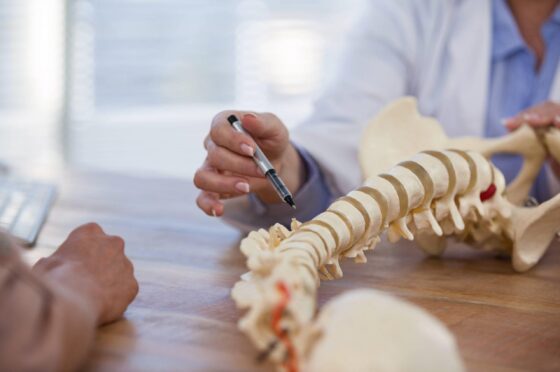
Your spine has two parts – the vertebral column and the spinal cord.
The vertebral column comprises 33 bones (vertebrae) with two critical roles.
First, it provides your body with stability, support, and flexibility. Second, it safeguards your spinal cord from physical shock. Your spinal cord runs through a canal of “foramen” which are centrally placed gaps in your vertebrae. So, if you fall over and bang your back, the vertebrae protect your spinal cord from the impact.
Your spinal cord is vital as it’s the wiring that connects your brain to the rest of your body.
If you want to go for a run, it’s your spinal cord that tells your legs to run. If you put your hand on a hot stove, your nerve endings send signals to your brain warning of danger. Your spinal cord is responsible for the reflex movement of your hand away from the hot stove.
Despite its importance, it’s just a long, thin and delicate bundle of nervous tissues and support cells that can be easily damaged. That’s why the vertebral column is there to protect it.
Spinal cord injury outcomes
The effects of a spinal cord injury depend largely on where along the spine the damage occurs and how severe it is. Injuries higher up the spinal column often cause greater loss of movement and sensation, while those lower down may affect specific parts of the body.
Two of the most common long-term outcomes of spinal cord damage are tetraplegia and paraplegia, each with distinct symptoms and life impacts. Understanding these conditions can help you recognise the extent of your injury and the steps you can take to move forward.
Tetraplegia
Tetraplegia, also known as quadriplegia, is paralysis in all four of your limbs. When someone is tetraplegic, they have experienced significant and irreversible damage to their spinal cord. The damage occurs typically in the cervical part of the spine between vertebrae C1 and C7.
Tetraplegia symptoms
While common spinal injury symptoms may be present with this condition, there are some specific tetraplegia symptoms to look out for as well. These include:
- Coughing
- Digestion difficulties
- Incontinence
- Lack of sensation (for example, the ability to determine whether it’s hot or cold)
- Limb deterioration
- Muscle spasms
- Nerve pain
- Retention (the ability to pass urine or faeces)
- Sexual dysfunction
- Shortness of breath
Worldwide, the most common causes of spinal cord injury, some of which may result in tetraplegia, are falls, road traffic incidents and violence. Tetraplegia can also occur in babies during childbirth if there is a poor oxygen supply.
Related client stories:
- Client whose motorcycle accident leading to C2 tetraplegia awarded £10m
- Client whose tetraplegia was missed by doctors awarded £20,000
- Client knocked off cycle by a vehicle now with incomplete tetraplegia awarded £400,000
Paraplegia
Paraplegia is paralysis that affects the lower half of your body. It may also affect other areas of your lower body and your arms.
It can be caused by the same type of trauma that leads to tetraplegia, but its effects are less severe because the impact to your spine happens lower down in either the thoracic, lumbar or sacral regions.
If you were injured in the thoracic area of your spine, you’ll experience paralysis in your hips, legs, chest, and abdominal muscles. You may also have trouble coughing, breathing deeply, and maintaining control of your bladder and bowels. Any complete injury to the thoracic area means that you will need to use a wheelchair.
If the impact is in the higher part of the lumbar section, the effects are similar to an injury to the lower thoracic. Still, you are less likely to experience bladder and bowel control issues.
In the lower part of the lumbar area and the sacral region, this is called “incomplete paraplegia”. You should be able to walk with a walker or braces.
Paraplegia symptoms
Like tetraplegia, general spinal injury symptoms may be present after an injury. Specific paraplegia symptoms to keep an eye out for include:
- Autonomic dysreflexia (increase in blood pressure below the area of the injury as a reflex response)
- Chronic pain (including phantom pain in the lower body)
- Lack or loss of sensation in the lower parts of your body (and phantom sensations in the lower body)
- Sexual dysfunction
- Weight gain
Although the most common cause of paraplegia is accidents, it may also be brought on by spine or brain tumours or lesions, multiple sclerosis and other autoimmune conditions, and neurological events like cerebral palsy and strokes.
Other spinal injuries to be aware of
Spinal injuries are common, and, as we’ve seen, they vary in severity. Other common spinal injuries include:
- Herniated discs: Herniated discs occur when the discs separating the vertebrae push out the exterior casing that holds them in. Signs to watch out for include numbness, tingling, general weakness, and pain in the legs and arms.
- Compression fractures: This is when one or more of your vertebrae suffer a fracture, just like a broken bone. Back pain and hunched postures are the most visible symptoms although you may experience numbness and difficulty in walking.
- Spinal stenosis: This is when the foramen protecting your spinal cord become narrower, compressing the cord. Stenosis symptoms include sciatica-like burning pains, weakness in one foot, back pain, and weakness in the legs.
- Spinal contusions: Common among sportspeople, these are injuries to the top part of your spine that result in weakness in your legs, arms and other extremities. Other symptoms include numbness and tingling. If you are experiencing any of these, you should report to A&E immediately.
- Cauda equina syndrome: Cauda equina syndrome describes either an injury to or a herniated disc in the middle area of your spine, which results in compression of the nerves in the spinal cord. It’s not life-threatening, but it will almost certainly require surgery. You may experience weakness or paralysis in the lower parts of your body as well as loss of sexual, bladder and bowel control.
Can you claim for a spinal injury?
You may be able to claim compensation for your spine injury. Fletchers Solicitors has represented clients for over 30 years on a no-win, no-fee basis.
If you were injured in an accident on the road, at work or in another situation where someone was responsible for your safety, we’ll assess how much the actions or negligence of others was responsible for what happened to you. Our solicitors and trusted outside expert witnesses will determine whether a case can be answered. We aim to secure you a settlement that reflects the suffering you’ve been through, your lost earnings, and any other expenses you’ve incurred or will incur in the future.
Contact Fletchers to start your claim
If you think you may have a claim for a spinal injury, we’re here to help. You’ll find our team friendly, approachable, and professional. Please get in touch with our spinal injury claims team today to find out more.
In contrast, complete spinal cord injuries usually cause permanent loss of function below the injury site. However, advances in medical care, adaptive technology, and early intervention can greatly improve quality of life and independence for those affected.
Frequently asked questions
Can you recover from a spinal cord injury?
Recovery from a spinal cord injury depends on the location and severity of the damage. Incomplete injuries often allow for some level of recovery, as the brain can still send signals through the spinal cord, even if they are weaker than before. With specialist treatment, physio, and ongoing rehabilitation, many people regain movement, sensation, or function over time.
How long does it take to recover from a spinal cord injury?
Recovery time after a spinal cord injury depends on the type and severity of the injury. Some people begin to regain sensation or movement within weeks, while others may need months or years of intensive treatment. Complete spinal injuries often lead to permanent loss of function.
What kind of rehabilitation is available after a spinal cord injury?
Rehabilitation after a spinal injury may include physiotherapy, occupational therapy, pain management, and psychological support. Depending on your needs, you might also work with a rehabilitation consultant, mobility specialist, or spinal injury nurse to help you regain as much independence as possible.
Our awards
-

THE TIMES BEST LAW FIRM
-
CHAMBERS TOP RANKED LAW FIRM
-
LEGAL 500 TOP TIER FIRM
-
ARMED FORCES COVENANT
-
AVMA - LAWYERS’ SERVICE MEMBER
-
HEADWAY ACCREDITED SOLICITORS
-
SIA - TRUSTED LEGAL PARTNER
-
CBIT - TRUSTED LEGAL PARTNER











Start your claim with confidence
Not sure where to start? We’ll listen, guide you, and give clear, honest advice on what to do next.