Our Winter Cycling Safety Guide: Stay Safe and Seen this Winter.

Winter cycling has a rhythm all of its own. Quiet roads, clear air, and a sense of purpose that many cyclists genuinely enjoy. But colder months also bring conditions that demand more awareness be it reduced daylight, unpredictable surfaces or weather that can change quickly.
At Fletchers Solicitors, many of us cycle year-round. We also support cyclists and their families after road incidents, including those that result in serious, life-changing injuries. That perspective – riding ourselves and seeing the consequences when things go wrong – shapes this guide.
It’s part of our Winter Safety Campaign and focuses on practical, experience-led advice to help you stay confident, visible and safe on the road throughout winter.
1. Knowing When Not to Ride
Choosing not to ride can be a safety decision, not a failure of commitment.
There are days when conditions make cycling genuinely hazardous, even for confident, experienced riders.
- Ice can form overnight on shaded roads and shared paths and may not be visible until traction is lost.
- Deep snow, freezing rain and dense fog significantly reduce grip and visibility.
- Consider alternative travel on high-risk days- public transport or flexible working can be the safer option.
- If you can, adjust timing. Frost and fog often lift later in the morning.
- Trust your instincts. If the conditions feel wrong, they probably are.
Cycling should support your health and independence – not put you at unnecessary risk.
2. Clothing & Layering: Warmth Without Compromise
Staying warm isn’t just about comfort. Cold, stiff muscles and numb hands reduce control, reaction time and confidence- factors we often see contribute to winter cycling incidents.
A reliable winter layering system includes:
- Base layer: Wicks moisture away to keep you dry.
- Mid layer: Provides insulation without bulk.
- Outer layer: Windproof and waterproof to block wind chill and rain.
Start slightly cool as you’ll warm up quickly once riding. Over-layering leads to sweat, which cools rapidly when you stop.
Don’t forget:
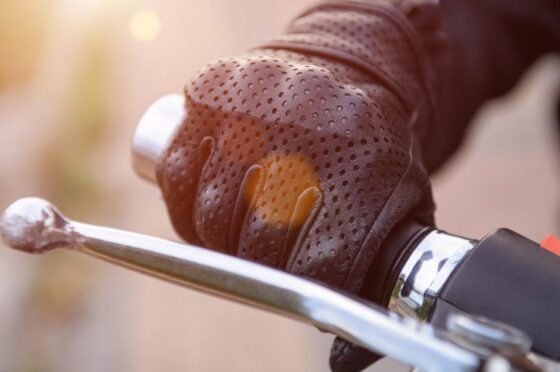
- Windproof, insulated gloves with good brake feel.
- Thermal socks and overshoes.
- Head and neck protection – think buffs, skull caps or helmet covers.
Good clothing helps you stay focused and in control for longer which is a key part of winter road safety.
3. Heated Gear: Practical, Not Excessive
Battery-powered heated gloves, socks or vests can make a meaningful difference, particularly for commuters or longer rides.
Cold hands reduce braking precision and gear control. If you regularly struggle with numb fingers or toes, heated kit isn’t indulgent but a practical way to maintain safe control in winter conditions.
4. Visibility & Fog: Being Seen Saves Lives
Reduced daylight is one of the biggest risks winter cyclists face. Many serious collisions happen simply because a cyclist wasn’t seen in time or they are dazzled by headlight glare.
Make visibility a non-negotiable:
- Wear high-visibility or bright outer layers.
- Run front and rear lights on every ride – even in daylight.
- Use reflective details on pedals, wheels, bags or helmets.
Fog doesn’t just limit sight, it muffles sound and slows reaction times for drivers. Reduce speed, increase awareness, and assume other road users may see you later than expected.
5. Bike Preparation: Grip, Braking and Reliability
Winter is hard on bikes and mechanical issues are more than inconvenient when conditions are poor.
Tyres
- Slightly lower pressures can improve grip on cold, wet roads.
- If you regularly encounter ice, studded tyres are worth considering.
Lights & Batteries
- Fully charge lights before every ride.
- Brighter lights improve both vision and visibility on unlit routes.
- For E-bikes, keep batteries warm before setting off as cold can reduce range and performance.
Guards & Protection
- Mudguards reduce spray, protect eyes and improve visibility for others.
- They also help keep you warmer and drier, reducing fatigue.
Routine Checks
- Brakes: Wet grit wears pads and rims quickly so you should inspect regularly.
- Chain & gears: Clean, dry and lubricate often to prevent accelerated wear.
A well-maintained bike gives you more control when conditions are least forgiving.
6. Riding Techniques for Winter Roads
Winter riding rewards patience and smooth input.
- Braking: Increase stopping distances and apply both brakes progressively.
- Cornering: Slow down early and avoid painted road markings, metal covers and wet leaves.
- Hills: Select gears early and keep cadence smooth as a sudden shift can cause wheel slip.
- Black ice: Often appears in shaded areas. If in doubt, dismount and walk – there’s no downside to caution here.
Controlled, predictable riding helps other road users anticipate your movements too.
7. What to Carry in Winter
Cold and wet conditions turn small delays into bigger problems. Carrying essentials makes a difference.
Consider:
- Basic repair tools and puncture kit
- Spare inner tube, pump or CO₂
- Warm spare gloves
- Energy snack and insulated drink
- Phone and power bank
Think of winter packing as resilience, not inconvenience.
8. If You’re Involved in an Incident
Falls and collisions can happen but knowing what to do helps you stay calm and protected.
First:
- Check yourself for injury before worrying about the bike.
- Move somewhere safe if possible.
Then:
- Check brakes, wheels, chain and handlebars.
- If another road user was involved, take photos, note details and gather witness information.
If you’re injured or shaken, seek medical attention and support. You don’t have to manage everything in the moment.
9. After-Ride Care
A short post-ride routine improves safety on your next journey:
- Change out of wet clothing quickly.
- Rinse salt and grime from the bike.
- Dry, inspect brakes and lubricate the chain.
Consistency here keeps your bike reliable throughout winter.
10. Legal & Insurance Support: Knowing You’re Not Alone
Even with careful preparation, incidents can still happen and winter conditions can often complicate fault and liability.
If you’re involved in a collision that wasn’t your fault:
- Avoid admitting liability at the scene.
- Gather evidence where safe to do so.
- Report incidents involving vehicles, especially if they fail to stop.
At Fletchers Solicitors, we specialise in cycling injury claims and understand how winter conditions affect road safety and investigations. We work to reduce stress, protect your position and help you focus on recovery.
Support also exists through cycling organisations and insurers but having specialist legal guidance can make a significant difference.
Stay Safe. Stay Seen.
Winter cycling can be challenging but also deeply rewarding when approached with preparation and care.
As safety advocates and specialists in serious injury law, our aim is simple: safer roads for cyclists, and strong support when things go wrong.
Stay warm. Stay visible. And most importantly stay safe.
Our awards
-

THE TIMES BEST LAW FIRM
-
CHAMBERS TOP RANKED LAW FIRM
-
LEGAL 500 TOP TIER FIRM
-
ARMED FORCES COVENANT
-
AVMA - LAWYERS’ SERVICE MEMBER
-
HEADWAY ACCREDITED SOLICITORS
-
SIA - TRUSTED LEGAL PARTNER
-
CBIT - TRUSTED LEGAL PARTNER











Start your claim with confidence
Not sure where to start? We’ll listen, guide you, and give clear, honest advice on what to do next.