5 major causes of road traffic collisions in Great Britain and how to avoid them

Understanding the most common causes of road traffic collisions in Britain can help you stay safe and reduce your risk on the road.
Despite increasing traffic levels, Britain’s roads remain among the safest in Europe. However, road traffic collisions still affect thousands of people every year.
Recent data from the Department for Transport shows that there were over 100,000 reported collisions in Great Britain, with more than 26,000 involving death or serious injury. While overall collision rates have declined over the past two decades, human error remains the leading cause of most crashes.
In fact, driver behaviour or inexperience is a factor in around 74% of all road traffic collisions.
Below, we explore the five most common causes of British road traffic collisions, based on the latest data, and how they can be avoided. These road collision statistics highlight the most common causes of crashes and what drivers can do to reduce their risk.
What are the most common causes of road traffic collisions in Great Britain?
-
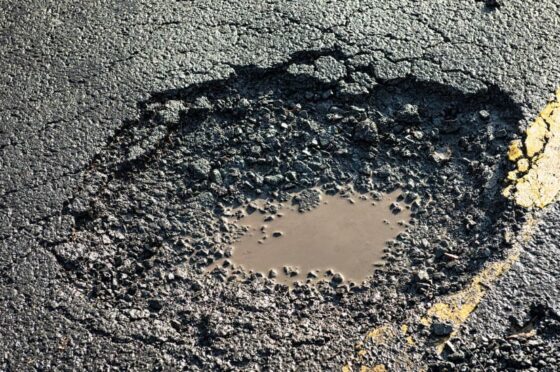
Poor Road Conditions (e.g. Slippery Surfaces)
Road conditions, particularly those caused by weather, play a role in many collisions, with slippery roads contributing to over 7% of collisions.
Wet, icy, or uneven road surfaces can reduce tyre grip and increase the likelihood of skidding or losing control.
How to avoid it:
- Check weather conditions before travelling
- Ensure tyres are in good condition
- Drive more cautiously in rain, ice, or snow
- Increase stopping distances
Being prepared for changing conditions can significantly reduce risk.
-
Overshooting Junctions or Poor Manoeuvres
Errors at junctions, such as misjudging a turn or overshooting, contribute to over 18% of collisions.
These incidents often occur when drivers:
- Misjudge the speed of oncoming vehicles
- Rush to pull out into traffic
- Fail to position correctly when turning
Even a small miscalculation can result in a serious collision.
How to avoid it:
Take extra care at junctions and roundabouts. Wait for a clearly safe gap and avoid rushing decisions.
-
Driving Too Fast for the Conditions
Driving too fast for the road conditions is a factor in around 19.5% of collisions in Great Britain.
This is not always the same as exceeding the speed limit. Many drivers are involved in collisions because they fail to adjust their speed when:
- Approaching bends or junctions
- Driving in poor weather conditions
- Encountering heavy traffic
Rain, ice, and fog can all significantly reduce stopping distances and visibility.
How to avoid it:
Always adapt your speed to suit the conditions, not just the legal limit. Leave extra space between vehicles and reduce speed in adverse weather.
-
Careless or Reckless Driving
Aggressive or careless driving is a factor in around 25% of collisions.
This includes behaviours such as:
- Tailgating
- Sudden lane changes
- Road rage or impatience
- Using a mobile phone while driving
Distraction and poor decision-making significantly increase the risk of a collision.
How to avoid it:
Stay calm, focused, and patient behind the wheel. Avoid distractions and give yourself plenty of time to complete journeys safely.
-
Failure to Look Properly (Ineffective Observation)
The most common cause of road traffic collisions in Great Britain is failing to look properly, contributing to around 60% of crashes.
This includes:
- Not checking mirrors before manoeuvres
- Failing to spot hazards or other road users
- Being distracted or fatigued
- Relying on assumptions rather than observation
Even a momentary lapse in attention can lead to serious consequences.
How to avoid it:
Stay alert and focused at all times. Regularly check mirrors, anticipate hazards, and avoid distractions. If you feel tired, take a break, fatigue can severely impact reaction times.
Final Thoughts
While road conditions and external factors do play a role, the overwhelming majority of collisions are caused by driver behaviour.
By improving awareness, reducing risk-taking, and staying focused behind the wheel, many collisions can be avoided altogether.
Ultimately, safer driving benefits everyone on the road.
If you have been involved in a collision that wasn’t your fault, you may be entitled to make a road traffic accident claim. Our specialist team can also help with serious injury claims, offering clear advice on your options.
If you have been injured in a road traffic collision that wasn’t your fault, the experts at Fletchers Solicitors have decades of experience handling personal injury claims.
We offer clear, practical advice with no obligation, so you can understand your options and next steps with confidence. Speak to our experts today.
Frequently asked questions
What is the most common cause of road traffic collisions in Britain?
The most common cause is failing to look properly (ineffective observation), which contributes to around 60% of road traffic collisions in Great Britain.
How many road traffic collisions happen in Britain each year?
There are over 100,000 reported road traffic collisions annually in Great Britain, with more than 26,000 resulting in death or serious injury.
What should I do after a road traffic collisions?
You should ensure everyone is safe, seek medical attention if needed, exchange details with other parties, and report the incident to your insurer. If you were not at fault, you may wish to seek legal advice.
Can I claim compensation after a road traffic collision?
If the collision was caused by another road user’s negligence, you may be entitled to compensation for your injuries, financial losses, and other damages.
Our awards
-

THE TIMES BEST LAW FIRM
-
CHAMBERS TOP RANKED LAW FIRM
-
LEGAL 500 TOP TIER FIRM
-
ARMED FORCES COVENANT
-
AVMA - LAWYERS’ SERVICE MEMBER
-
HEADWAY ACCREDITED SOLICITORS
-
SIA - TRUSTED LEGAL PARTNER
-
CBIT - TRUSTED LEGAL PARTNER










Start your claim with confidence
Not sure where to start? We’ll listen, guide you, and give clear, honest advice on what to do next.