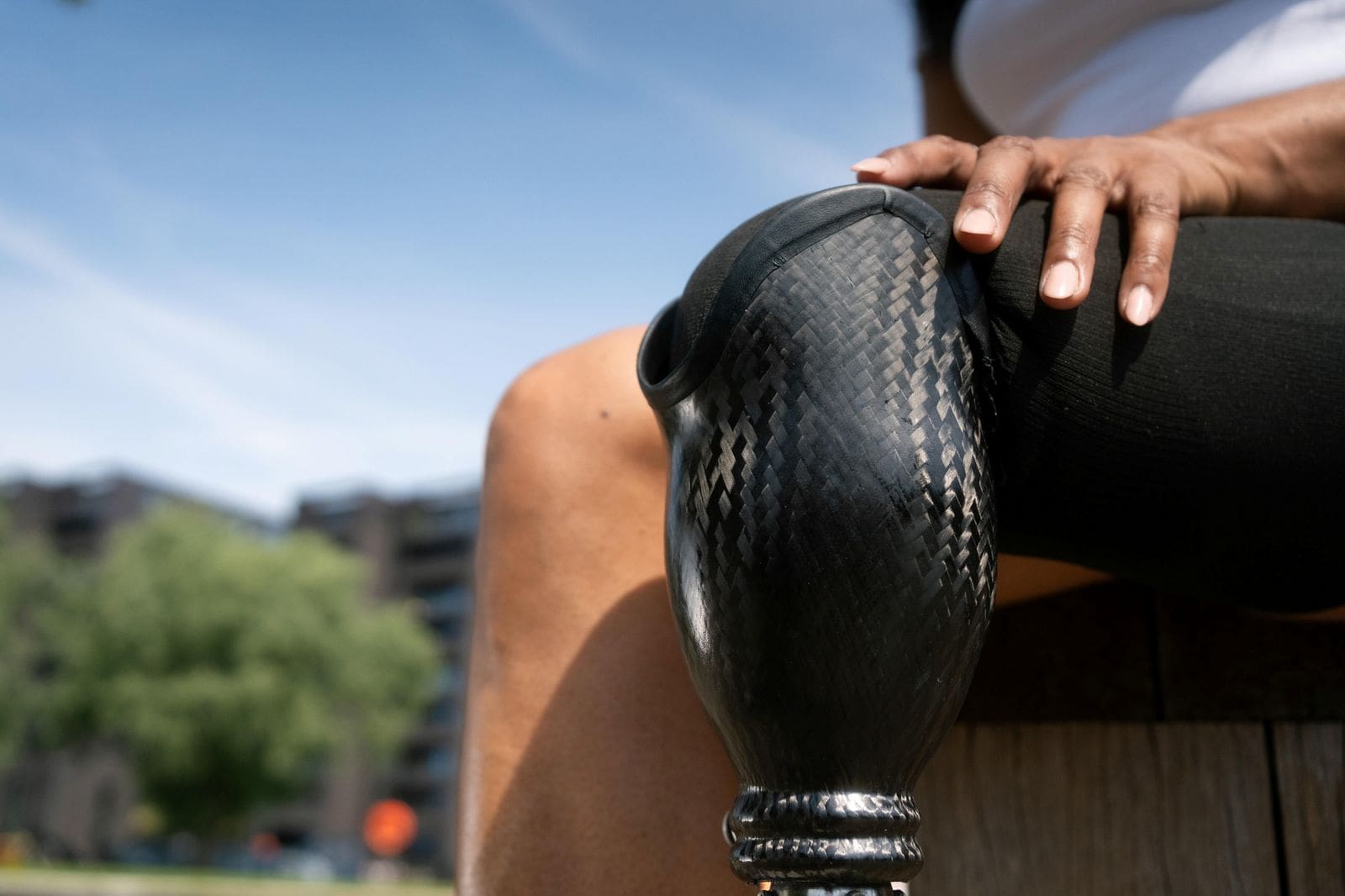
Diabetes amputation negligence claims
If you’ve suffered an amputation due to diabetic complications, and you feel your condition was not managed appropriately, we know this can be difficult to come to terms with. If you decide to make a diabetes claim, our team of specialists will support you throughout the process.
-
-
 TOP-RANKED LEGAL EXPERTS
CHAMBERS & LEGAL 500
TOP-RANKED LEGAL EXPERTS
CHAMBERS & LEGAL 500 -
NO WIN, NO FEE



Can I make a diabetes amputation claim?
You may be able to make a diabetes amputation claim if you had an amputation that could have been prevented with proper medical care. People with diabetes face a higher risk of serious complications - including Peripheral Arterial Disease (PAD), nerve damage and foot ulcers - and when healthcare providers fail to monitor or treat those complications properly, the consequences can be life-changing.
You may also have a claim if your diabetes was misdiagnosed, if there was a delay in diagnosis, or if your treatment and care following diagnosis was not carried out to the required standard. Diabetes mismanagement can also lead to other serious health conditions such as eye problems, heart attack or stroke – and if you believe negligence increased the severity of any of these, our experts can quickly assess whether you have a claim.
It may also be possible to make a claim if a healthcare provider failed to diagnose or treat an infection promptly, failed to monitor circulation issues or nerve damage, or didn’t provide adequate foot care advice or regular check-ups. According to NHS Resolution, there were 7,957 major diabetic lower limb amputations in England between 2017 and 2020 Most amputations can be avoided if warning signs are spotted and acted on early – so if this sounds like you, it’s worth speaking to us.
Example of a diabetes amputation claim
Imagine someone with long-standing diabetes who develops a foot ulcer and reports it to their GP – but is not referred for specialist vascular assessment or given appropriate wound care.
Over several months the ulcer worsens and becomes infected, which eventually leads to a below-knee amputation. If the failure to refer or treat promptly fell below the standard a responsible body of medical professionals would consider acceptable, this could be a valid diabetes amputation claim.
Related diabetes negligence claims we support
Expertise you can trust
- 9/10 clients would recommend us
- AVMA panel members
- +400 Medical Negligence specialists


What compensation can help with


Covering your care costs and helping you rebuild your independence.
Losing a limb because of negligent diabetes care can be devastating. You’re likely to need support carrying out routine tasks that were once easy for you. You may need to lean on your family members to support your most basic needs – and there can be a real impact on your wellbeing, your state of mind and your overall sense of self.
Of course, the physical effects of an amputation are hugely challenging. Your mobility and coordination will be affected, and you may experience pain, discomfort and phantom sensations. Compensation is designed to reflect the full picture of what has happened, and make sure you have the financial means to access the specialist equipment, practical support and rehabilitation you need.
A successful diabetes medical negligence claim may help fund:
- Prosthetics and specialist limb fitting
- Rehabilitation, physiotherapy and occupational therapy
- Psychological support and counselling
- Home adaptations and specialist mobility equipment
- Loss of earnings, both current and future
- Ongoing care and support needs
- Travel and transport costs related to your recovery
- Costs of private medical treatment
Understanding the potential value
The impact of losing a limb reaches far beyond the physical injury. There are practical costs that can mount up quickly: prosthetics and specialist fitting, adaptations to your home, therapy, and ongoing care. Many people also face a significant loss of earnings, particularly if the amputation has affected their ability to return to their previous work.
We consider all of this when valuing your claim, and work to recover the costs that truly reflect your experience. Cases involving below-knee or above-knee amputations, or where the injury has significantly altered your capacity to work and live independently, can result in substantial settlements.
We’ll work with you to build a clear picture of your needs and fight for compensation that truly reflects the impact on your life.
Understanding interim payments
We understand that suffering a diabetes amputation will impact your ability to go to work and earn your usual salary. All at a time when cares costs are mounting and bills continue to come in. You should not have to put your recovery on hold while your case is ongoing.
Where possible, we’ll seek interim payments on your behalf during the claims process – before the final settlement is reached. This can mean you’re able to access prosthetics, home adaptations or rehabilitation support without having to wait until the end of your claim.





Why choose Fletchers for your diabetes negligence claim?
Diabetes negligence claims sit between complex medical evidence and serious personal injury law. Understanding exactly where the care fell short - and proving it - requires real specialist knowledge. At Fletchers, our clinical negligence team is one of the largest in the UK, with the expertise, clinical insight and track record to handle even the most challenging cases. Our expertise are recognised by The Legal 500 and Chambers & Partners – and we combine legal skill with genuine care for the people we support.
Expertise you can rely on
- Specialist clinical negligence solicitors with extensive experience in diabetes negligence claims
- One of the largest medical negligence departments in the UK
- Ranked by Legal 500 and recognised by Chambers and Partners
- Access to leading independent medical experts to build the strongest possible case
- Dedicated Rehabilitation and Wellbeing team to help coordinate your care and recovery
- Proven track record of securing strong outcomes in complex, high-value clinical negligence cases
- Rated excellent on Trustpilot by the clients we have supported
- No win, no fee – so you can pursue your claim without financial risk
You're not alone
We’re here to guide you through your diabetes amputation case.
Beyond the immediate physical impact, losing a limb affects almost every part of daily life. Things which once felt routine, and you may have taken for granted, soon become a significant challenge and an emotional hurdle. Simply getting around and managing your home can feel like a huge burden. The financial pressure can also escalate, with costs for prosthetics, adaptations, therapy and care adding up quickly, at a time when you may already be dealing with lost income.
Having a limb amputated is one of the most difficult things a person can face. When that amputation could have been prevented with better care, the sense of loss – and the questions it raises – can feel even harder to process. Many people in this situation come to us feeling a mixture of grief, frustration and uncertainty about the future. Those feelings are completely understandable.
We’ve supported many clients who felt exactly as you may be feeling now. We recognise this is a life-changing experience and we want to help you through it. We’ve settled many diabetes amputation cases and seen our clients go on to lead a fulfilled and happy life – often making adjustments to tackle new goals and life ambitions. If you are looking for a way forward, speak to our expert team.


Rehabilitation support
We go beyond legal advice to support you, not just your case, making sure the right care and practical help are in place throughout the compensation claim process.
A message from our Rehabilitation and Wellbeing Team
We work alongside Fletchers Solicitors’ legal experts – listening carefully to your needs, helping you understand what support is available and creating a personalised recovery plan.
Led by rehabilitation manager Julie Chorlton, we bring together expertise across healthcare, therapy and welfare support, and can help arrange access to treatment and financial support. We also work with accredited mental health professionals, giving you and your family access to counselling quickly.
OUR REHABILITATION & WELLBEING TEAM


FAQs about diabetes amputation claims
How long do I have to make a diabetes amputation claim?
In most cases, you have three years from the date you became aware of the negligence to make a diabetes amputation claim. This is known as the limitation period.
The three-year period does not always apply in the same way. If you’re making a claim on behalf of a child, the three years runs from their 18th birthday. If you’re claiming on behalf of someone who lacks the mental capacity to claim themselves, the time limit may not apply at all.
Regardless of your circumstances, it’s important to seek legal advice as early as possible. The sooner we can assess your case, the easier it’s to gather the evidence needed to support your claim.
How much does it cost to make a diabetes amputation claim?
We handle diabetes amputation claims on a No Win No Fee basis. This means you pay nothing upfront, and if your case does not succeed, you’ll not face any legal costs.
Only if your claim is successful do you pay for the legal services provided, with the fee agreed in advance. You can explore the viability of your case without any financial commitment.
What causes diabetic amputations?
According to Diabetes.co.uk, the leading causes of diabetic amputation include neuropathy, circulation problems (including delayed diagnosis or treatment of Peripheral Arterial Disease), foot ulcers, Charcot foot, and other damage to the foot.
Around 80% of amputations in people with diabetes are brought on by a poorly treated foot ulcer that could have been avoided. Complications surrounding diabetes can result from substandard care – including misdiagnosis, delayed diagnosis, or treatment that is not properly carried out.
People with diabetes are at a higher risk of lower limb amputation because the condition can cause nerve damage to the feet and problems with circulation. When foot problems are not properly managed, they can progress to infections, ulcers, and ultimately amputation.
What is diabetic neuropathy and how does it lead to amputation?
Diabetic neuropathy is a complication of diabetes that causes nerve damage. Peripheral neuropathy – damage to the peripheral nervous system – is one of the main conditions that can lead to diabetic amputation.
The NHS outlines the main symptoms of peripheral neuropathy as: numbness and tingling in the feet or hands; burning, stabbing or shooting pain in affected areas; loss of balance and coordination; and muscle weakness, especially in the feet. These symptoms can be constant or come and go.
Diabetic neuropathy cannot be reversed, but timely and effective treatment is key to relieving symptoms and preventing further complications, including amputation. Treatment may include medications such as amitriptyline, duloxetine, pregabalin and gabapentin, alongside managing blood sugar levels, maintaining a healthy lifestyle, and reducing alcohol and smoking. Where healthcare providers have failed to diagnose or manage neuropathy to the required standard, and this has contributed to an amputation, you may have grounds for a claim.
Can I claim if I think the amputation was partly my fault?
Possibly. Even if you feel you could have managed your diabetes better, that does not necessarily prevent you from making a claim. What matters is whether your healthcare provider also failed to meet the required standard of care, and whether that failure contributed to your amputation.
In some cases, a claim may still succeed even where there is shared responsibility – though the level of compensation may be affected. The best way to understand your position is to speak to one of our specialists, who will give you an honest assessment of your situation.
What percentage of people with diabetes have amputations?
Fewer than 0.2% of people with diabetes undergo any form of amputation each year. Studies have shown that 0.8% of people with type 2 diabetes and 1.7% of people with type 1 diabetes experience lower-extremity amputations – with type 1 diabetics facing double the rate of type 2 diabetics.
While these percentages are relatively low, the growing prevalence of diabetes worldwide and the fact that men are twice as likely as women to require an amputation highlight how serious this issue is. Importantly, most amputations can be avoided if warning signs are identified and acted upon promptly.
What evidence is needed for a diabetes amputation claim?
Building a strong diabetes amputation claim requires a detailed review of your medical records and an independent expert assessment of the care you received. We’ll gather your records and instruct a specialist medical expert to give their opinion on whether the treatment you received fell below the standard expected of a responsible body of medical professionals.
You don’t need to gather this evidence yourself. We’ll handle every part of the process, including working with clinical experts to establish what happened, why it happened, and what impact it has had on your life.
What are diabetes negligence claims?
Diabetes negligence claims involve seeking compensation for an amputation caused by medical negligence in the treatment or management of diabetes.
Negligence can occur when healthcare providers fail to:
- Diagnose or treat infections promptly.
- Monitor and manage circulation issues or nerve damage.
- Provide adequate foot care advice or regular check-ups.
If an amputation was preventable with proper care, you may be eligible to make a claim. Compensation can help cover medical expenses, loss of income, and emotional distress. Seeking legal advice from a diabetes amputation lawyer is essential to building a successful claim.


A national team, here when you need us
With offices across the UK, we’re never too far away, helping people access specialist advice and support wherever they are.
You’re in safe hands
-
THE TIMES BEST LAW FIRM
-
CHAMBERS TOP RANKED LAW FIRM
-
LEGAL 500 TOP TIER FIRM
-
AVMA - LAWYERS’ SERVICE MEMBER





Start your claim with confidence
Not sure where to start? We’ll listen, guide you, and give clear, honest advice on what to do next.