
NHS maternity negligence claims
We understand the trauma families face when NHS maternity care goes wrong. If you or your baby were harmed because of failings in maternity care, you may be able to make a claim. Our specialist team will help you get the answers you deserve.
-
-
 TOP-RANKED LEGAL EXPERTS
CHAMBERS & LEGAL 500
TOP-RANKED LEGAL EXPERTS
CHAMBERS & LEGAL 500 -
NO WIN, NO FEE




Can I make an NHS maternity negligence claim?
The government has acknowledged that maternity care failings are not isolated events, but part of a wider pattern of systemic issues. This confirms what many families and legal experts have known for years – that too many lives are affected by poor care, under-resourcing, and lack of accountability in some NHS Trusts. If you have been affected, you may be able to make a claim.
Families come to us for support if the mother or baby suffered harm because of sub-standard care; often during pregnancy, labour, or during the postnatal period. Maternity negligence can affect mothers and babies in different ways – and the consequences can range from short-term injury to lifelong, life-changing conditions.
Negligence can play a part at any stage of the maternity journey. During pregnancy, this might include missed diagnoses of conditions like pre-eclampsia, gestational diabetes or infection, inadequate monitoring of foetal growth, or failure to act on reduced foetal movements. During labour and delivery, negligence can mean that staff failed quickly when intervention or treatment was needed. Perhaps resulting in a delayed caesarean section, failure to act on changes to the baby’s heart rate, incorrect use of forceps or vacuum delivery tools, or poor decision-making in an emergency. After the birth, failings can involve poor monitoring for neonatal jaundice or infection, delays in responding to signs of distress in a newborn, or failure to detect or manage postnatal haemorrhage or mental health issues.
Example of an NHS maternity negligence claim
If a woman needs to have an epidural during labour, but the procedure isn’t managed appropriately and causes lasting damage, this could form the grounds of a valid NHS negligence claim. We supported one new mother after complications arose during her epidural due to positioning issues. Several attempts were made to insert the epidural, despite the woman being positioned incorrectly. She suffered post-dural puncture headache, PTSD and anxiety.
Common maternity negligence claims we support
Expertise you can trust
- 9/10 clients would recommend us
- AVMA Panel Members
- Interim payments to ensure early access to support
What compensation can help with


Funding the care, support and answers your family needs.
For families dealing with a child’s lifelong disability, or a mother living with the psychological effects of negligent treatment, compensation can make a genuine and tangible difference to their future care and general wellbeing. NHS maternity negligence compensation can help you access the treatment and support you need to move forwards – both now and in the future.
By investigating these claims on your behalf, and continuing to offer support to families affected by negligence, we can better hold NHS Trusts accountable and support meaningful, system-wide improvements in maternity safety. Cases involving severe birth injuries, such as cerebral palsy or hypoxic brain injury, can result in very significant, multi-million-pound settlements. Even where injuries are less severe, compensation can still make a real difference to recovery and quality of life.
A successful NHS maternity negligence claims may help fund:
- Specialist medical care, therapies and rehabilitation
- Psychological support and counselling for the child, mother and family
- Specialist equipment, mobility aids and home adaptations
- Ongoing care and support needs – both immediate and long term
- Loss of earnings for the mother or a parent who becomes a full-time carer
- Education, occupational therapy and developmental support for an injured child
- Travel and transport costs related to treatment and recovery
- Financial losses incurred as a direct result of the negligence
Understanding the potential value
No two maternity negligence cases are the same. The value of a claim depends on the severity of the injury, the age of the injured person – whether that is the mother or baby – and the level of care they will need throughout their life. We also consider the financial impact on the whole family.
Cases involving serious birth injuries with lifelong consequences, such as cerebral palsy, can result in multi-million-pound settlements. Our specialist solicitor Sahida Patel secured more than £14.5 million in compensation for a child who developed four-limb cerebral palsy due to NHS failings at birth, where the child was not breathing for the first nine minutes after delivery.
Understanding interim payments
In cases of severe harm, there is likely to be some mounting financial pressures. If you are forced to take time from work because of your own injuries, or if you need to step away from work long-term in order to care for your injured child, the additional stresses and strains that follow can be crippling.
Where possible, we will apply for interim payments on your behalf, so that you can fund any immediate care needs, specialist equipment, therapies, or adaptations to the family home. You shouldn’t have to wait until the end of your claim to access the support your family needs.







Why choose Fletchers for your maternity negligence claim?
We’re proud to represent some of the most complex and sensitive maternity negligence cases nationwide. Our approach is always compassionate, expert, and thorough. What sets us apart is our proven success in high-value and high-profile maternity cases. We have a genuine commitment to systemic change – we want to build a strong case for you, and the many families also affected by similar issues. We have one of the UK’s leading birth injury teams, with decades of specialist experience, and we’re able to act for multiple families affected by the same Trust or hospital.
Expertise you can rely on
- One of the UK’s leading birth injury and maternity negligence teams, with decades of specialist experience
- Proven track record in high-value and high-profile cases, including multi-million-pound settlements
- Experienced in group actions – able to act for multiple families affected by the same NHS Trust or hospital
- Committed to systemic change as well as individual justice, helping push for real improvements in maternity safety
- National coverage, with home visits available where needed
- Free, no-obligation initial consultation
- Legal aid assessed where eligible, particularly for babies who have suffered a brain injury
- No win, no fee funding available, so you can pursue your claim without financial risk
You're not alone
We understand what you and your family are going through.
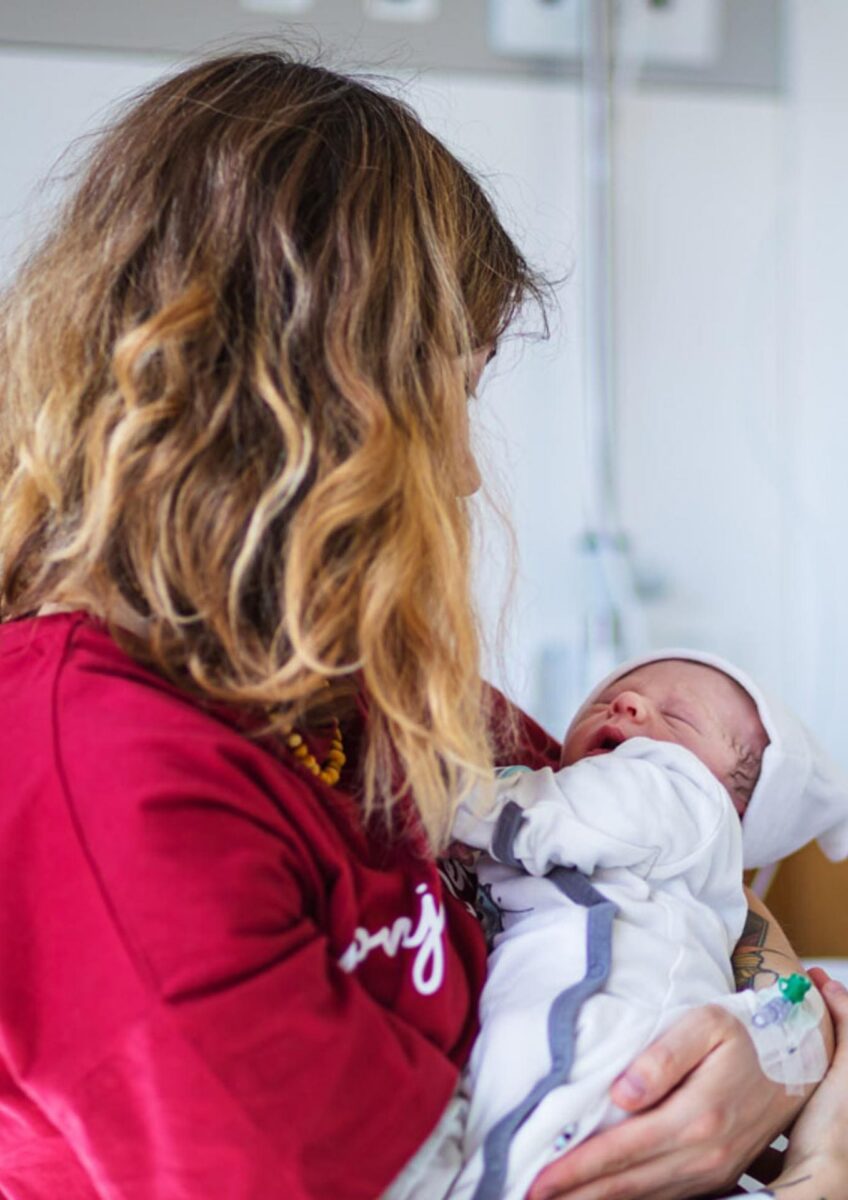
When maternity care fails, families can suffer significantly. If severe trauma is involved – or life-long disability – relationship dynamics are often forced to shift. Partners might need to take on care responsibilities, and mothers might feel unable to bond with their baby in the way they had hoped to.
We supported one family who tragically lost their newborn son, hours after birth. Their son had suffered a hypoxic brain injury due to a negligent delay in delivery. This was a very sad case, and the parents came to us looking for accountability. They wanted to understand what had gone wrong, and get some answers on behalf of their baby. Despite the Trust initial denying liability, we did eventually agree a settlement was agreed, and the Trust also provided a letter of apology – which went some way to giving the family the closure they needed.
As well as the emotional and physiological impact of NHS maternity negligence, we also know that the financial pressure can feel crushing. The cost of specialist equipment, therapies, and any home adaptations you might need – all of this can mount quickly at a time when you are already exhausted and overwhelmed. Knowing where to turn for support can feel like one more impossible question.
We’ve supported families across England and Wales who’ve suffered due to maternity care failures. Even if you feel uncertain about what happened to you, our specialist team will listen to your experience and help you find clarity.
People we’ve supported

FAQs about NHS maternity negligence claims
What is maternity negligence?
Maternity negligence occurs when the standard of medical care provided during pregnancy, labour, or the postnatal period falls below what is acceptable, leading to avoidable harm to the mother, baby, or both.
This can include failure to diagnose or manage conditions like pre-eclampsia or gestational diabetes, delayed recognition of foetal distress, errors in the use of delivery instruments, poor decision-making during emergencies, or inadequate postnatal monitoring.
The consequences can range from physical and psychological trauma to life-altering conditions including cerebral palsy, hypoxic brain injury, stillbirth, neonatal death, or serious maternal injury.
How long do I have to make a maternity negligence claim?
In most cases, the mother has three years from the date of the injury – or from the date she became aware that the injury may have been caused by negligence – to bring a claim.
For children, a claim can be brought at any time before their 21st birthday if they have capacity. If a child lacks capacity, there is no time limit, and a parent, relative, or the Official Solicitor may act on their behalf.
Limitation rules can be complex, and there are exceptions in certain circumstances. It is important to speak with a specialist solicitor as early as possible to avoid missing important deadlines. We will advise you clearly based on your individual situation.
How much compensation can I expect for a maternity negligence claim?
The amount of compensation depends on several factors, including the severity of the injury, its long-term impact on the child or mother, the level of care needed going forward, and any financial losses incurred.
Claims are generally made up of two elements. General damages cover pain, suffering, and loss of amenity – the effect the injury has had on quality of life. Special damages cover financial losses and expenses, including medical costs, ongoing care, travel costs, lost earnings, and anticipated future costs.
Cases involving serious conditions such as cerebral palsy or hypoxic brain injury can result in multi-million-pound settlements. Speaking with one of our specialists is the best way to get a realistic assessment based on your circumstances.
What evidence do I need to support my claim?
We will help you gather everything needed to build your case. Key pieces of evidence typically include:
- Medical records: all relevant records from your prenatal care, labour, delivery, and postnatal period
- Witness statements: from you, your partner, or anyone else who witnessed the care provided
- Expert evidence: independent medical experts will give their opinion on whether the standard of care was breached and how that caused harm – this is central to establishing negligence
- Complaints correspondence: any letters, emails, or responses from the NHS or healthcare provider
- Photographs or video: where relevant, visual evidence of visible symptoms or conditions
- Financial records: documentation of any costs or losses incurred as a result of the negligence
Can I make a claim on a No Win No Fee basis?
Yes. Most maternity negligence claims can be funded on a No Win No Fee basis, also known as a Conditional Fee Agreement (CFA). This means you do not have to pay legal fees upfront, and there is no financial risk to you if your claim is unsuccessful.
If your claim succeeds, your opponent pays the majority of your legal costs. Any unrecovered costs would come from an agreed percentage of your settlement – and we will always agree this with you in advance. We can also advise on insurance policies that protect you if your claim does not succeed.
For some cases – particularly where a baby has suffered a brain injury during pregnancy, at birth, or in the first eight weeks of life – legal aid funding may also be available. When we speak to you, we will assess which funding option is right for your situation.
Can I get legal aid for a maternity negligence claim?
Legal aid may be available to help cover the costs of a claim where a baby has suffered a brain injury during pregnancy, at birth, or in the first eight weeks of life. When we speak to you, we will assess whether your case is likely to qualify for legal aid funding.
If legal aid is not available in your situation, we will explain the alternatives – including No Win No Fee agreements and insurance-backed funding options. Talk to one of our specialists to find out which route is right for you.
What is a group action in maternity negligence cases?
A group action – sometimes called a multi-party claim – is where a number of families who have been affected by failings at the same NHS Trust or hospital bring their claims together. This can offer real advantages.
Shared evidence and timelines can make the process more efficient. Bringing cases together allows our team to identify patterns of systemic failing across multiple cases, which can be powerful in holding a Trust to account. Group actions also tend to support broader change – they help shine a light on wider problems in maternity safety and push for meaningful improvements.
Many parents also find reassurance in knowing that others have shared similar experiences. Fletchers has experience acting for multiple families affected by the same Trust, and we are well placed to advise whether a group approach may be right for your situation.
Do you offer support for people with hearing difficulties?
Yes. We are able to support people with hearing difficulties through the SignVideo platform, which connects you with a British Sign Language (BSL) interpreter. Please get in touch and we will explain how to access this service.
Which NHS Trusts are currently under review?
In June 2025, Health Secretary Wes Streeting publicly acknowledged that maternity care failings are not isolated events, but part of a wider pattern of systemic issues within some NHS Trusts. This admission confirms what many families and legal experts have known for years that too many lives are affected by poor care, under-resourcing, and lack of accountability in maternity services. There were a number of poorer performing Trusts identified including:
- Gloucestershire Hospitals NHS Trust
- Leeds Teaching Hospitals NHS Trust
- Shrewsbury and Telford Hospital
- East Kent Hospitals NHS Trust
- University Hospitals of Morecambe Bay NHS Foundation Trust
- Nottingham University Hospital NHS Trust
- University Hospitals Sussex NHS Foundation Trust
- Mid and South Essex NHS Foundation Trust
- South Tees Hospital NHS Foundation Trust
- Leeds Teaching Hospitals NHS Trust


A national team, here when you need us
With offices across the UK, we’re never too far away, helping people access specialist advice and support wherever they are.
You’re in safe hands
-
THE TIMES BEST LAW FIRM
-
CHAMBERS TOP RANKED LAW FIRM
-
LEGAL 500 TOP TIER FIRM
-
AVMA - LAWYERS’ SERVICE MEMBER
-
LIA'S WINGS - TRUSTED LEGAL PARTNER
-
PEEPS H.I.E - TRUSTED LEGAL PARTNER
-
RAINBOW HUB - TRUSTED LEGAL PARTNER
-
MAMA ACADEMY - CHARITY SUPPORTER







Start your claim with confidence
Not sure where to start? We’ll listen, guide you, and give clear, honest advice on what to do next.