M6-C Artificial Cervical Disc Safety Concerns – What Patients Need to Know

We’re aware of safety concerns surrounding the medical device; M6-C Artificial Cervical Disc, which is used in some spinal surgery cases as an alternative to spinal fusion surgery. The below article summarises the known concerns, and highlights what action you might need to take if you feel you are affected.
If you have received an M6-C implant, or have recently been contacted by your hospital regarding monitoring appointments, it is important to understand what these developments mean and what steps you may need to take.
What is the M6-C Artificial Cervical Disc?
Thousands of people have spinal surgery every year to relieve pain, restore mobility and improve their quality of life. For some, an M6-C Artificial Cervical Disc is used as an alternative to spinal fusion surgery, with the aim of preserving natural movement in the neck. However, recent safety concerns surrounding this medical device have led to regulatory action in the UK and the introduction of ongoing patient monitoring programmes.
The M6-C Artificial Cervical Disc is a motion-preserving spinal implant designed to replace a damaged cervical disc in the neck. Manufactured by Spinal Kinetics, the device uses a polymer core and fibre annulus intended to mimic the movement and function of a natural spinal disc.
The device was developed as an alternative to cervical fusion surgery, allowing patients to retain greater mobility in the affected area of the spine.
Why are concerns being raised?
The key concern relates to reports of osteolysis, a condition involving the progressive loss of bone surrounding the implant. According to safety information issued by Orthofix and reviewed by UK regulators, osteolysis may lead to:
- Bone loss around the implant
- Implant loosening
- Device migration or movement from its intended position
- Spinal instability
- Neck pain
- Neurological complications
- The need for revision surgery to remove or replace the implant
One of the most worrying aspects of osteolysis is that it may develop without obvious symptoms. Some patients may be unaware that bone loss is occurring until it is identified through medical imaging.
Regulatory action in the UK
In January 2026, the Medicines and Healthcare products Regulatory Agency (MHRA) issued Device Safety Information notice DSI/2026/001 after reviewing reports of osteolysis and early device failure associated with the M6-C Artificial Cervical Disc. The regulator also identified concerns regarding delays in communication about emerging risks and updated safety information.
As a result, hospitals and NHS trusts have been instructed to:
- Identify patients who received an M6-C implant
- Contact affected patients directly
- Explain the risks associated with osteolysis
- Arrange ongoing monitoring, even where patients have no symptoms
The M6-C product line has also been discontinued worldwide.
What if you have an M6-C implant?
If you have been informed that you received an M6-C Artificial Cervical Disc, it is important not to ignore any correspondence from your hospital. Current guidance indicates that patients should undergo regular monitoring, including annual cervical spine X-rays, regardless of whether they are experiencing symptoms. Additional CT or MRI scans may be recommended if symptoms develop or osteolysis is suspected.
You should seek medical advice if you experience:
- Persistent or worsening neck pain
- Reduced mobility in the neck
- Numbness or tingling in the arms or hands
- Weakness
- Other neurological symptoms
- Concerns about changes following spinal
Would you benefit from legal support?
Not every patient with an M6-C implant will have suffered injury. However, some people may have experienced significant complications, including confirmed osteolysis, implant failure, neurological injury or the need for complex revision surgery.
Potential legal claims may include compensation for:
- Pain and suffering
- Additional surgery and treatment
- Loss of earnings
- Care and assistance needs
- Rehabilitation costs
- Long-term impact on quality of life [
Even patients who are currently symptom-free may face ongoing medical surveillance and uncertainty about future complications. Every case will depend on its individual circumstances.
Our specialist product liability team have extensive experience with cases involving defective medical products and devices. We have settled cases for many individuals who were looking for support after a defective device caused injury or harm.
You can learn more about our specialists Lisa Lunt and Sarah Samuel on their profile pages.
How we gather evidence for your case
If you are concerned about the M6-C implant, it can be useful to gather information such as:
- The date of your implantation surgery
- The hospital where the procedure took place
- Confirmation that the implanted device was an M6-C Artificial Cervical Disc
- Any recall or monitoring letters you have received
- Details of any symptoms you are experiencing
- Whether revision surgery has been recommended or performed
- Any impact on your employment, finances or daily life
It’s important to note that you don’t need to have this information to hand when you contact us. When we take on your case, we’ll support you in gathering evidence, so that we can build a strong case to work on your favour.
How our expert team can help you
We’re closely monitoring developments surrounding the M6-C Artificial Cervical Disc and the growing concerns regarding osteolysis and device failure. We understand the physical, emotional and financial impact that medical device complications can have on patients and their families.
If you have received a monitoring letter, been diagnosed with osteolysis, experienced implant failure, or been advised that revision surgery may be necessary, our specialist product liability team may be able to assess whether you have grounds to pursue a claim.
As investigations continue, it is important to act promptly. Time limits may apply and can vary depending on individual circumstances and when a patient first became aware of a potential connection between their injury and the device.
To discuss your situation with our specialist team, get in touch for a free, no-obligation assessment of your experience.
Our awards
-

THE TIMES BEST LAW FIRM
-
CHAMBERS TOP RANKED LAW FIRM
-
LEGAL 500 TOP TIER FIRM
-
ARMED FORCES COVENANT
-
AVMA - LAWYERS’ SERVICE MEMBER
-
HEADWAY ACCREDITED SOLICITORS
-
SIA - TRUSTED LEGAL PARTNER
-
CBIT - TRUSTED LEGAL PARTNER





Up next
-
Moore Barlow specialist teams to join Fletchers Solicitors and EMG in South East expansion
21ST AUGUST 2026 -
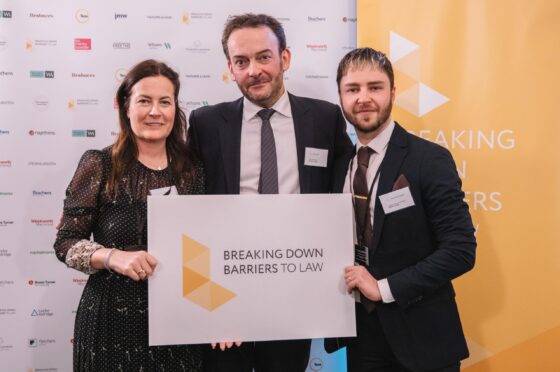
Fletchers Group is founding signatory of social mobility project aimed at breaking down barriers into law
21ST JUNE 2024 -
The Future of Prosthetics and Artificial Intelligence (AI)
29TH APRIL 2025




Start your claim with confidence
Not sure where to start? We’ll listen, guide you, and give clear, honest advice on what to do next.