
SERIOUS INJURY

Understanding the hidden symptoms of a brain injury

A brain injury is not always easy to see. Someone living with a brain injury may not use assistive devices, have visible scars, or show obvious problems with movement, yet the effects can still change daily life in many ways. Many people living with a brain injury hear the words “you look fine”. What others see on the outside does not always reflect what is happening inside. From our experience supporting people after serious injuries, we know that the hardest effects of a brain injury are often the ones no one else notices.

What we’ll cover in this guide:
  • Why brain injury symptoms aren’t always visible
  • Common hidden signs and symptoms of brain injury
  • How these symptoms affect daily life, relationships and work
  • The psychological impact of “never being the same again”
  • Real stories from people living with a brain injury
  • Where specialist support and rehabilitation can help
  • How Fletchers supports clients beyond the legal process

Understanding traumatic brain injury (TBI)

A traumatic brain injury can result from a wide range of incidents, including road traffic collisionsslips, trip and fallsworkplace negligence, sports accidents and criminal assaults. Brain injuries can be mild, moderate, or severe, depending on the extent of the damage. Symptoms may appear immediately, hours later, or even develop gradually. That’s why careful monitoring and early medical attention after any accident is so important.

Brain injuries aren’t always visible, but they are life-changing

Many people expect a serious injury to “look serious”. However, an acquired brain injury often challenges this assumption. While some physical symptoms, like speech or mobility difficulties, may be obvious, many effects are harder to see. You may appear “fine” on the outside, while struggling with fatigue, memory issues or anxiety that affects daily life. These hidden challenges can lead to misunderstandings, pressure to “get back to normal”, and feelings of isolation or frustration.

Janice’s story: living with invisible effects

“I was watching simple television programs and couldn’t follow the story. People would tell me things, and I’d forget instantly. On the outside, I might have appeared fine, but inside my head I knew that things were not right. I wouldn’t go out of the back door because I was convinced that everywhere outside was a danger.”

Janice sustained a serious head injury in a motorbike collision. She also had other physical injuries, but her traumatic brain injury significantly changed her life.

After recovering physically, Janice describes how, although she appeared well on the outside, she experienced hidden brain injury symptoms including memory problems, difficulty following conversations, and anxiety about leaving the house. Everyday tasks and simple routines became challenging.
Hear more about from Janice’s story

Common signs and symptoms of brain injury

The signs of brain injury can vary widely from person to person, depending on the severity and area of the brain affected. While some symptoms are immediate and obvious, others can be subtle, delayed, or mistaken for stress, fatigue, or mental health issues. Understanding the full range of symptoms of brain damage can help with earlier recognition and access to the right support.

The effects of brain injury fall into three main categories: cognitive, behavioural or emotional, and physical.

Cognitive signs of brain injury

Cognitive difficulties are among the most common hidden effects of a brain injury. Put simply, thinking takes more effort than it did before. Brain injuries can affect how a person thinks, processes information and remembers things, so everyday tasks like reading, planning or holding a conversation can feel exhausting. These challenges are easy for other people to miss.

Common cognitive symptoms include:

  • Memory problems, including post-traumatic amnesia (PTA), which means gaps in memory from before or after the injury
  • Difficulty concentrating, staying focused, or following conversations
  • Slower thinking or information processing difficulties, sometimes described as “information overload”
  • Trouble multitasking or planning everyday activities
  • Perceptual difficulties, meaning problems judging distances, coordinating movements, or recognising familiar objects from unusual angles
Emotional and behavioural symptoms

Emotional and personality changes are often a hidden effect of brain injury. Although not visible, these changes in emotional regulation and personality are commonly experienced after a TBI and can have a significant impact on daily life, relationships and work.

Changes in mood and behaviour are common but can be overlooked as part of the recovery process. These may include:

  • Mood swings or a flat affect, meaning appearing emotionless or out of step with how the person actually feels
  • Anxiety or depression
  • Disinhibition or poor judgment, such as saying or doing things inappropriately without realising it
  • Agitation, restlessness, or irritability
  • Apathy or lack of motivation
  • Inflexibility or obsessionality, which can show as rigid routines or compulsive behaviours
  • Subtle sexual changes, such as an altered libido
Sensory symptoms and hypersensitivity after a brain injury

Signs of brain injury can include experiencing sensory sensitivity after an acquired or traumatic brain injury (TBI). This means becoming more sensitive to everyday stimuli such as light, sound, touch, or busy environments.

In a study of adults following mild traumatic brain injury, approximately 42% of participants reported ongoing difficulties with both noise and light sensitivity, and these sensory problems were linked with reduced quality of life. Light sensitivity (photophobia) after a brain injury can cause headaches, eye strain, fatigue, and difficulty focusing. It often happens because the brain’s processing of visual information has been disrupted, which uses extra mental energy and leaves less available for other tasks.

Brain injuries can also affect how the brain processes sensory information. This can lead to:

  • Sensitivity to light (photophobia)
  • Sensitivity to sound or noisy environments
  • Feeling overwhelmed in busy or stimulating settings
  • Difficulty processing multiple inputs at once
  • Visual disturbances, such as blurred or double vision

These sensory challenges can limit social participation, make returning to work difficult, and increase mental fatigue.

Sensory symptoms and hypersensitivity after a brain injury

Signs of brain injury can include experiencing sensory sensitivity after an acquired or traumatic brain injury (TBI). This means becoming more sensitive to everyday stimuli such as light, sound, touch, or busy environments.

In a study of adults following mild traumatic brain injury, approximately 42% of participants reported ongoing difficulties with both noise and light sensitivity, and these sensory problems were linked with reduced quality of life. Light sensitivity (photophobia) after a brain injury can cause headaches, eye strain, fatigue, and difficulty focusing. It often happens because the brain’s processing of visual information has been disrupted, which uses extra mental energy and leaves less available for other tasks.

Brain injuries can also affect how the brain processes sensory information. This can lead to:

  • Sensitivity to light (photophobia)
  • Sensitivity to sound or noisy environments
  • Feeling overwhelmed in busy or stimulating settings
  • Difficulty processing multiple inputs at once
  • Visual disturbances, such as blurred or double vision

These sensory challenges can limit social participation, make returning to work difficult, and increase mental fatigue.

Subtle physical signs of brain injury

Even when someone appears well externally, a brain injury can cause subtle physical symptoms that can affect daily life. Although these symptoms may not be immediately visible to others, they can significantly impact concentration, work, and everyday activities.

These may include:

  • Persistent headaches
  • Fatigue or lack of energy
  • Dizziness or balance problems
  • Sleep disturbances
  • Nausea or sensitivity to movement
Everyday impact of brain injury symptoms:

Hidden brain injury symptoms can affect:

  • Social interactions and relationships
  • Work, education, or daily responsibilities
  • Hobbies, leisure activities, and independence
  • Confidence, wellbeing, and long-term recovery
  • Reduced tolerance to stress

Recognising these hidden symptoms is the first step toward accessing the right rehabilitation and support.

The impact on relationships and family life

Through the experience of our clients, we have seen how a brain injury rarely affects just one person. Partners, parents, children, and other loved ones often experience significant changes as well. Families may find themselves adjusting to shifts in roles and responsibilities, navigating new communication challenges, and managing increased emotional strain and fatigue.

Support for families is just as important as support for the injured person. Understanding these changes can help relationships adapt and strengthen over time. For more information, you can read our guide on how you can support someone who is living with a brain injury.

Coming to terms with living with a traumatic brain injury

Clients frequently describe that living with a traumatic brain injury can bring a sense of grief for the life you once had and the things you are no longer able to do in the same way. One of the hardest realities for many people is accepting that recovery does not always mean returning to who you were before the injury.

This process can involve:

  • Letting go of former roles, plans, or ambitions
  • Redefining what independence looks like
  • Adjusting expectations, both personally and professionally

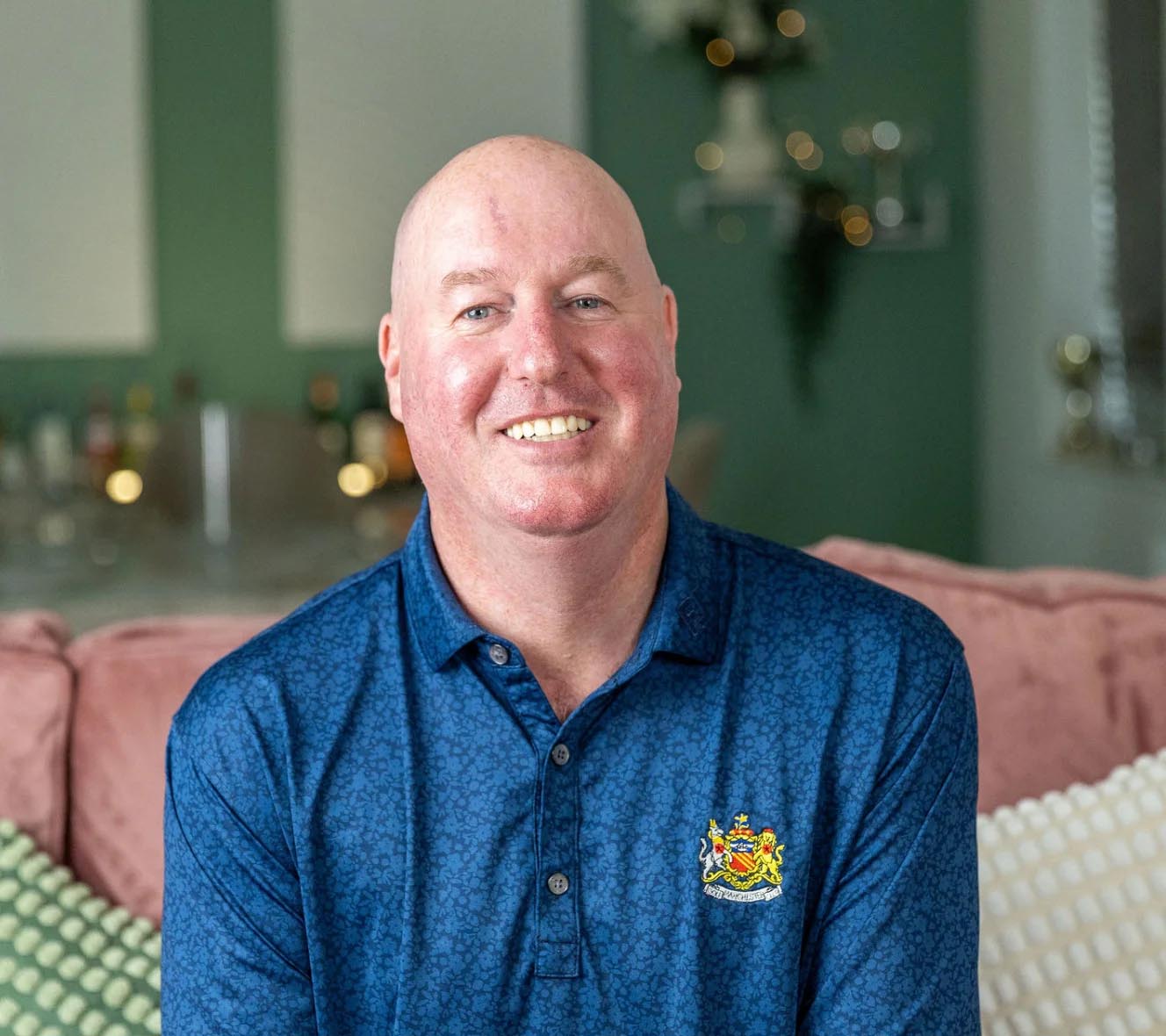
Mark’s story on his life after a serious brain injury:

We represented Mark after he was involved in a serious road traffic collision that caused a traumatic brain injury. His story, told in his own words, shows that this stage is not about giving up. It is about finding a different way forward, with the right support in place.

We represented Mark after he was involved in a serious road traffic collision that caused a traumatic brain injury. His story, told in his own words, shows that this stage is not about giving up. It is about finding a different way forward, with the right support in place.

Mark sustained a traumatic brain injury after being in an RTC. Mark experienced significant cognitive difficulties, including memory problems, concentration issues, and mental fatigue. While he came away with visible but minor cuts and bruises, his traumatic brain injury left him in a coma and created significant recovery and daily life challenges. His brain injury symptoms affected many areas of his life, from enjoying hobbies like golf to managing everyday tasks independently. Activities that he once completed automatically now required careful planning, effort, and rest breaks.

With specialist neuro-specific rehabilitation and long-term support, provided through his serious injury claim with Fletchers, Mark was able to gradually rebuild a sense of control over his life.

In this video, Mark shares his journey from injury to recovery and explains how determination, support, and rehabilitation have helped him rebuild his life.

Mark

“I would say to anyone else who’s suffered a brain injury is that it is unbelievably hard. But you can never ever give up. You’ve got to drive forward. You just have to do it to get your life back.”

Mark

Support, rehabilitation and rebuilding life after a brain injury

With specialist rehabilitation and the right support, many people find new ways to live well after an acquired brain injury. At Fletchers, recovery goes beyond legal advice to include personalised, holistic care designed around your needs from the very start of your journey.

We have a dedicated Rehabilitation and Wellbeing Team that works alongside your legal team to ensure you receive the right support at the right time, helping you rebuild independence, emotional wellbeing and quality of life.

Support may include:

  • Neurorehabilitation and occupational therapy
  • Psychological therapy/counselling
  • Charity-led services, such as Headway and the Child Brain Injury Trust (CBIT). We work closely with organisations like these to ensure our support continues beyond the legal process, so recovery and rehabilitation remain at the heart of our clients’ long-term wellbeing and future quality of life.

How Fletchers supports clients beyond compensation

At Fletchers, we understand that a brain injury claim is about more than financial compensation. Our Recover, Rebuild, Thrive approach focuses on providing early access to rehabilitation, supporting long-term wellbeing and independence, and helping clients rebuild confidence and quality of life.

We work with clients throughout recovery, adaptation, and future planning, ensuring that support extends beyond the legal process.
Meet our Wellbeing & Rehabilitation Team

Expertly led, compassionately delivered

Fletchers’ specialist serious injury team has extensive experience handling complex, life-changing brain injury cases, including those like Mark’s and Janice’s shared in this guide.

Expertly led, compassionately delivered

Fletchers’ specialist serious injury team has extensive experience handling complex, life-changing brain injury cases, including those like Mark’s and Janice’s shared in this guide.

Our team includes:

Chris McKinney

A Partner with over 30 years’ experience in personal injury law, Chris specialises in catastrophic claims, including brain and spinal cord injuries. He has secured numerous multi-million-pound settlements and is known for his compassionate, hands-on approach, supporting clients and their families throughout the claims process. He is recognised by industry directories such as Legal 500 and Chambers & Partners. Chris serves as a trustee for Headway Leicester, Leicestershire, and Rutland.

Julia Eyton

A Partner with over 27 years’ experience in personal injury law, Julia specialises in catastrophic claims, including brain and spinal cord injuries, and amputation. She has secured numerous multi-million-pound settlements and is widely recognised as a leading authority on catastrophic injury cases. Julia takes the time to explain the legal and medical detail clearly, in terms clients can understand. She’s personable and caring too. She is recognised by industry directories such as Legal 500 and Chambers & Partners.

Siobhan Thacker

Siobhan is a Partner who has achieved significant compensation outcomes for clients following catastrophic injuries, including brain and spinal injuries, amputations and complex fractures. She is recognised by industry directories such as Legal 500 and Chambers & Partners, and is known for her expertise and dedication to client care.

Charlotte Mackulin

Charlotte is a Partner with over 19 years’ experience, known for her tenacity in securing the highest possible compensation and ensuring comprehensive rehabilitation support is part of every package. Charlotte is a Trustee at Lancashire Headway. She regularly handles severe brain injury claims and works closely with Court of Protection teams when needed.

Moving forward after a TBI

If you or a loved one is living with the effects of a brain injury as a result of serious personal injury, you don’t have to face it alone. Our specialist team can guide you through your options, helping you access the support you need. We can assist with making a claim, exploring rehabilitation and wellbeing support, and providing guidance on long-term planning and recovery.

Talk to us today

FAQs about living with a hidden brain injury

What are the hidden signs of a brain injury?

Brain injury symptoms can affect people in ways that aren’t visible from the outside. Some less obvious signs of brain injury include:

  • Struggling to remember recent events or details
  • Finding it hard to focus or follow conversations
  • Feeling unusually tired or mentally drained
  • Changes in mood, behaviour, or personality
  • Becoming easily overwhelmed by light, noise, or busy environments
What support is available after a brain injury?

Support can be varied and tailored to you as an individual. It may include neurorehabilitation, occupational therapy, counselling and charity-led services. Fletchers Rehabilitation & Wellbeing Team works alongside your legal team to coordinate care and help rebuild independence and quality of life.

How can legal support help someone living with a brain injury?

If a brain injury was caused by someone else’s negligence, the compensation awarded should cover both current and future needs, including care, rehabilitation, and support for wellbeing. Legal representation can help secure this compensation and ensure access to the services needed for you to recover, rebuild and thrive.

Can I make a claim for my brain injury?

If your brain injury was caused by someone else’s negligence or a serious personal injury, Fletchers’ specialist team can guide you through your legal options while helping you access rehabilitation and support services.

Can brain injury symptoms appear weeks later?

Yes. Some hidden brain injury symptoms may not appear immediately. Memory problems, fatigue, mood changes, or sensory sensitivities can develop gradually, sometimes days or weeks after the accident. This delayed onset is why early medical assessment and ongoing monitoring are so important.

Why do hidden brain injury symptoms often go unnoticed?

Many hidden symptoms are subtle or invisible to others. People may “look fine” externally, which can lead to:

  • Misunderstanding from family, friends, or employers
  • Pressure to resume work or daily routines too quickly
  • Feelings of isolation, frustration, or guilt

Without recognition and support, these symptoms can affect relationships, work, and overall quality of life. Being aware of these effects is an important step in seeking appropriate medical care, rehabilitation, and ongoing support.