Tips for getting back on your motorbike after a crash

With support from Christian Iddon, British Superbike Racer
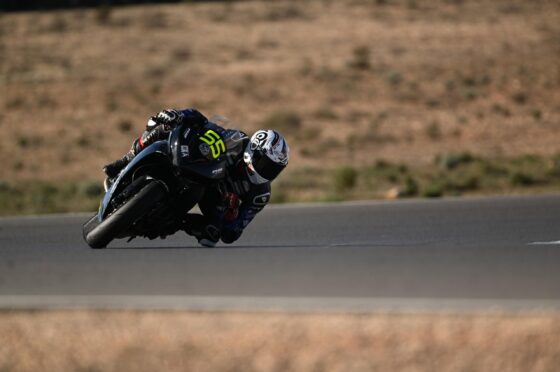
Introduced to racing by his father, former racer Paul Iddon, Christian developed a passion for motorcycles from an early age. He received his first bike at just two years old and competed in his first motocross event by the age of six. Since making his racing debut in 2002, Christian has established himself as one of the top competitors in British Superbikes, currently ranked #21. He races as part of the AJN Steelstock Kawasaki Squad, showcasing his skill and dedication on the national stage.
The recovery from a motorbike collision is different for everyone and can be a deeply personal journey. For some, the thought of returning to motorcycling may not feel right, while others may be eager to return as soon as possible.
If you’re determined to get back in the saddle, it’s important to approach the process thoughtfully and safely. With advice from British Superbike Racer Christian Iddon, here are some tips to help guide your recovery and return to riding:
Prioritise Early Medical Assessment
Prompt and thorough medical attention is crucial after a motorbike collision. Getting a diagnosis and the right treatment early on, can significantly aid your recovery – both physically and mentally – and help you return to riding more confidently.
Explore Additional Treatments
As part of your recovery, you might benefit from specialist treatment and rehabilitation. Depending on your injuries, treatments like physiotherapy, occupational therapy, or psychological support can play a crucial role.
Treatments like these can support physical healing, as well as any emotional and mental hurdles, ensuring you’re ready to ride again.
Understanding What Happened
Understanding what led to your collision can be a key part of the process when returning to motorcycling. Christian Iddon advises, “Understanding what happened can help you get your confidence back up, and if you know what happened, it can help you overcome it.”
By understanding the circumstances—whether it was a mistake, external factors, or something else—you can take steps to reduce future risks.
Stay Connected to the Biking Community
The biking community can be an invaluable source of support during your recovery. Meeting or speaking with fellow riders who’ve faced similar challenges, can help combat isolation and provide support.
Rebuild Your Confidence
A loss of confidence is common after a collision and can be a barrier to returning to motorcycling, but rebuilding your confidence is key to riding safely. Christian suggests, “For some, getting back on the bike is the best therapy. If you are getting back on the bike, you have to be confident again, as cautiousness and hesitation can create more problems.”
Ways to boost confidence include:
- Completing advanced rider training to improve riding techniques and safety awareness.
- Trying track riding, which offers a controlled environment to refine your skills and rebuild self-assurance.
Take It Slowly
Finally, listen to your body and mind. There’s no rush to return to riding until you feel ready. Gradually ease back into motorcycling, ensuring you feel safe, confident, and in control every step of the way.
Our awards
-

THE TIMES BEST LAW FIRM
-
CHAMBERS TOP RANKED LAW FIRM
-
LEGAL 500 TOP TIER FIRM
-
ARMED FORCES COVENANT
-
AVMA - LAWYERS’ SERVICE MEMBER
-
HEADWAY ACCREDITED SOLICITORS
-
SIA - TRUSTED LEGAL PARTNER
-
CBIT - TRUSTED LEGAL PARTNER







Start your claim with confidence
Not sure where to start? We’ll listen, guide you, and give clear, honest advice on what to do next.