Our Winter Motorcycling Safety Guide- Tips to Stay Safe and Seen This Winter

Winter riding has its own appeal. Quieter roads, crisp air, and a sense of focus that summer riding rarely demands. For many motorcyclists, it’s not just about getting from A to B, it’s about staying connected to riding all year round.
But winter also brings genuine risks. Reduced daylight, unpredictable road conditions and sudden changes in grip are all factors we see repeatedly in serious motorcycle injury cases. At Fletchers Solicitors, many of us ride ourselves, and we also support riders and their families when things go wrong. That combination gives us a clear view of how everyday decisions, preparation and awareness can make a real difference.
We’ve created this guide in collaboration with the BMF as part of our Winter Safety Campaign – to give you practical, rider-focused advice to help you stay confident, prepared and safe through the colder months.
Knowing When Not to Ride
Winter riding isn’t about bravado – it’s about judgement.
We often see incidents that happen not because a rider lacked skill, but because conditions tipped the balance unexpectedly.
- Freezing temperatures, particularly at dawn and dusk, dramatically increase the risk of black ice, especially on untreated roads.
- Fog, high winds and heavy rain all reduce margin for error and make you harder to spot.
- If something doesn’t feel right before you set off, trust that instinct.
- Check weather forecasts and local gritting routes. If your route isn’t covered, reassess.
There’s no loss of credibility in deciding not to ride. Sometimes, the safest ride is the one you leave for another day.
Clothing & Layering: Riding Warm Is Riding Safely
Cold affects more than comfort. Tense muscles, slower reactions and fatigue all increase risk – something we see reflected time and again in winter collision patterns.
A reliable winter setup usually includes:
- Base layer – Moisture-wicking thermals to manage sweat and heat.
- Mid-layer – Fleece or insulated layer to retain warmth.
- Outer layer – Windproof, waterproof kit with CE-approved armour.
- Neck protection – A neck tube or balaclava reduces heat loss.
- Quality gloves – Insulated, waterproof and dexterous enough to maintain control.
A well-fitting helmet with a snug liner also helps with warmth and reduces visor fogging – a small detail that can have a big safety impact.
Heated Gear: Reducing Fatigue, Increasing Focus
Heated kit isn’t a luxury — for many riders it’s a practical safety tool.
- Heated grips are affordable and highly effective.
- Heated gloves warm the whole hand, not just the palm.
- Heated vests or jackets stabilise core temperature, helping hands and feet stay warmer too.
Always ensure heated accessories are properly installed, fused and within your bike’s charging capacity.
Visibility & Fog: Seeing Clearly, Being Seen
Poor visibility is one of the most consistent factors in serious winter motorcycle collisions.
Seeing clearly
- Use a Pinlock insert or anti-fog solution.
- Keep vents slightly open to improve airflow.
- Clean your visor regularly – winter grime builds fast and worsens glare.
Being seen
- Reflective panels or a high-vis outer layer can make a crucial difference.
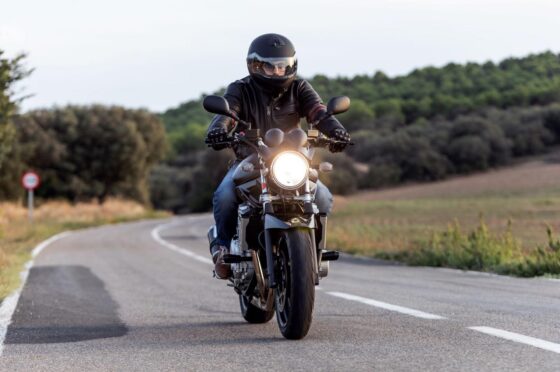
- Use dipped beam at all times.
- Position yourself where drivers are most likely to notice you, especially at junctions.
In fog, slow everything down – speed, braking, steering inputs. If visibility becomes severely restricted, stopping safely may be the right call.
Bike Preparation: Grip, Power and Visibility Matter More in Winter
Tyres
Grip is non-negotiable. Even if you have a TPMS (Tyre Pressure Monitoring System) it’s important to do these checks:
- Check pressure before every ride – cold air lowers them quickly.
- Inspect tread depth and sidewalls before every ride. This particularly applies to the leisure riders who may only go out once a week or so. Those with
- Consider all-weather or winter-biased tyres if you ride year-round.
Battery
Cold weather exposes weak batteries fast.
- Use a maintenance charger where possible.
- If starting becomes hesitant, get the battery tested early.
Screen, Controls & Lights
- Keep screens clean to reduce glare from low sun and headlights.
- Ensure cables and levers move freely -freezing or stiffness is a genuine hazard.
- Clean lights regularly and check all indicators and brake lights before every ride.
Riding Techniques for Winter Conditions
Winter riding rewards smoothness and anticipation, not aggression.
Cornering
- Reduce lean angles.
- Brake before the bend, not mid-corner.
- Keep inputs steady and progressive.
Braking
- Increase following distance.
- Use both brakes smoothly.
- ABS is valuable, but it’s not a safety net you should rely on blindly.
Hills
- Uphill: steady throttle, minimal gear changes.
- Downhill: engine braking and early, gentle brake application.
Black Ice
Commonly found in shaded areas, bridges, country lanes and during early or late hours.
If you encounter it:
- Don’t brake or accelerate.
- Keep the bike upright.
- Let it roll through without sudden input.
What to Pack for Winter Riding
Being prepared can turn a difficult situation into a manageable one.
Consider carrying:
- Spare gloves or heated glove batteries
- Torch and power bank
- Basic tools and cable ties
- Visor cleaner and cloth
- Emergency foil blanket
- Waterproof layers
- High-vis vest
- Snacks and water
- Tyre repair kit or pump
It’s about staying warm, visible and self-sufficient if plans change.
If You Drop your Bike
Winter drops happen – even to experienced riders.
If it does:
- Check yourself first.
- If you can- move clear of traffic.
- Switch off the engine.
- Lift the bike safely and don’t rush.
- Check critical components: levers, pegs, lights, brakes and tyres.
If anything feels unsafe, don’t ride on.
After-Ride Routine: Protecting Your Bike and Your Next Ride
A few minutes after each winter ride reduces risk on the next one:
- Wash off salt and grime.
- Dry and re-lube the chain.
- Use a battery maintainer if the bike won’t be ridden for a few days.
- Check tyre pressures before your next journey.
Legal and Insurance Considerations
Winter conditions increase the likelihood of incidents – even when riders do everything right.
- Make sure your insurance covers winter use, commuting and declared modifications.
- Keep MOT, tax and servicing up to date.
- If you’re involved in a collision, gather details carefully -road conditions can affect liability decisions.
At Fletchers Solicitors, we specialise in serious motorcycle injury claims. We understand winter riding, the realities riders face, and the long-term impact a collision can have. If the worst happens, our team is here to support you -clearly, practically and with genuine understanding.
Stay Safe. Stay Seen.
Winter riding isn’t for everyone and that’s okay. But with preparation, the right kit and a calm, considered approach, it can be both safe and rewarding.
As safety advocates and specialists in serious injury law, our goal is simple: fewer riders getting hurt, and better support when they are.
Ride warm. Ride visible. And most importantly ride safe.
Our awards
-

THE TIMES BEST LAW FIRM
-
CHAMBERS TOP RANKED LAW FIRM
-
LEGAL 500 TOP TIER FIRM
-
ARMED FORCES COVENANT
-
AVMA - LAWYERS’ SERVICE MEMBER
-
HEADWAY ACCREDITED SOLICITORS
-
SIA - TRUSTED LEGAL PARTNER
-
CBIT - TRUSTED LEGAL PARTNER











Start your claim with confidence
Not sure where to start? We’ll listen, guide you, and give clear, honest advice on what to do next.