
Bell's palsy compensation claims
If your child developed Bell's palsy, it can be an incredibly distressing experience for your whole family. Where negligence played a part, you may be entitled to make a compensation claim. Our specialist birth injury team is here to support you.
-
-
 TOP-RANKED LEGAL EXPERTS
CHAMBERS & LEGAL 500
TOP-RANKED LEGAL EXPERTS
CHAMBERS & LEGAL 500 -
NO WIN, NO FEE




Can I make a Bell's palsy compensation claim?
You may be able to make a Bell’s palsy compensation claim if your child developed facial palsy because of negligence during birth. Bell’s palsy is a form of facial paralysis caused by injury to the facial nerve. While some children recover fully, others are left with difficulties that can affect their development, confidence and daily life for years to come.
Bells Palsy is a form of facial paralysis that can develop in newborns due to birth trauma, particularly when forceps or other delivery tools are used incorrectly. If your child has been affected by Bell’s palsy and you think medical negligence could be to blame, we can support you. We’re experts in Bell’s palsy compensation claims and support you and your family on a No Win, No Fee basis. This way of working can provide some financial reassurance, at a time when you need legal help the most.
Even if you’re unsure whether negligence was involved, or if some time has passed since your child’s birth, it’s still worth speaking to us. In most cases you have until your child’s 21st birthday to start a claim, giving families time to gather evidence and take proper legal advice. We’ll listen carefully, review what happened, and give you an honest view of whether you have a case.
Example of a Bell's palsy claim
Imagine a baby delivered using forceps after a prolonged labour. Shortly after birth, the baby shows signs of facial weakness on one side, such as drooping eyelids, difficulty feeding, and limited movement in the lower face. If the forceps were applied incorrectly or the delivery was mismanaged in a way that placed undue pressure on the facial nerve, this could form the basis of a valid Bell’s palsy compensation claim.
Other birth injury claims we support
Expertise you can trust
- 9/10 clients would recommend us
- AVMA Panel Members
- Interim payments to ensure early access to support
What compensation can help with

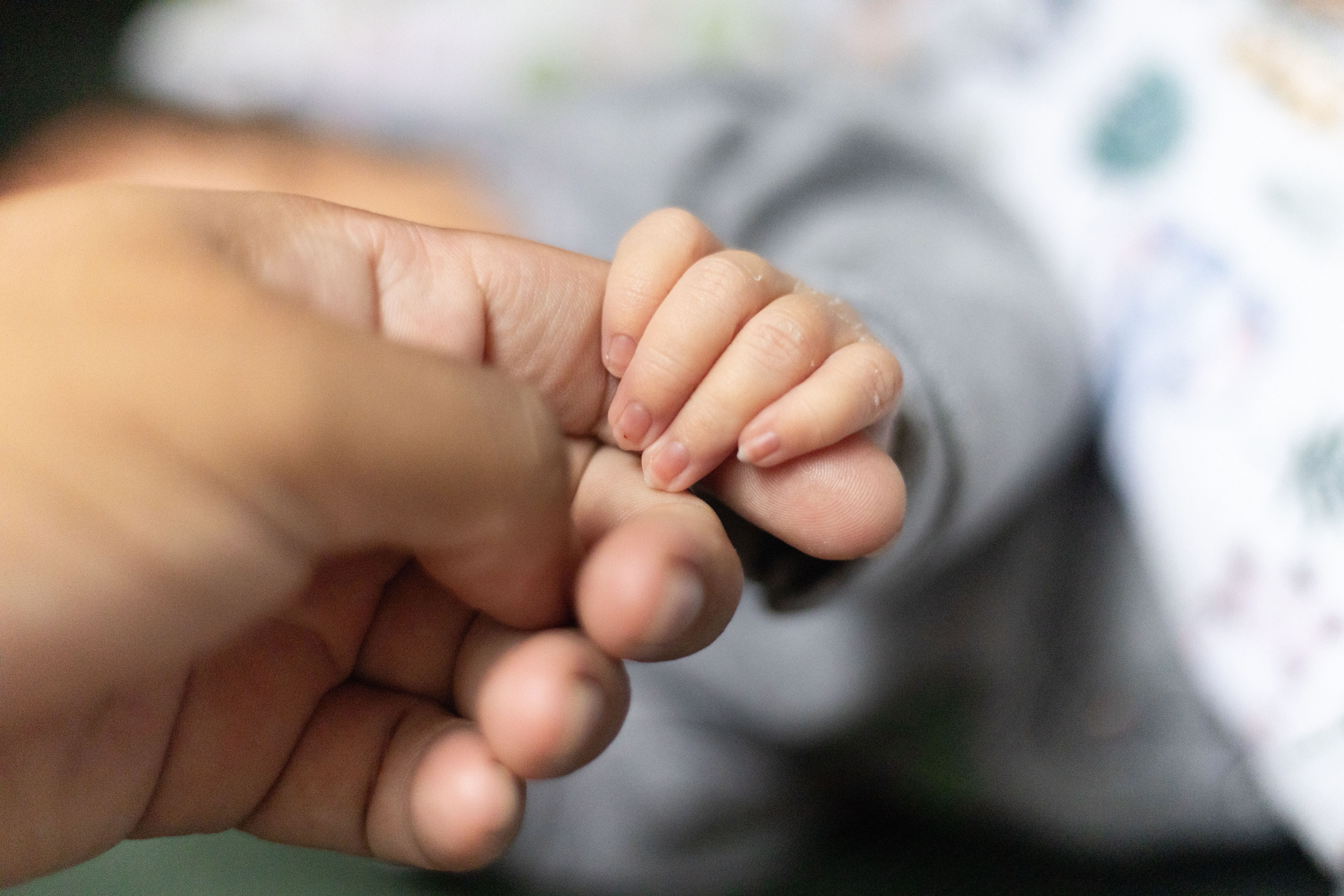
Recovering lost income and covering future care
Compensation in a Bell’s palsy claim isn’t just about recognising what went wrong. It’s about making sure your child can access the treatment and support that will improve their current and future wellbeing, without the financial burden falling solely on your family.
For children with lasting facial palsy, compensation can help fund specialist therapies and support that may not be readily available through the NHS, giving them the best possible chance of a full and fulfilling life.
A successful Bell’s palsy compensation claim may help fund:
- Pain, suffering and the emotional impact on your child and family
- Facial physiotherapy and specialist facial-retraining programmes
- Eye care and corneal protection, including drops, ointments and specialist treatment
- Steroid medication and other clinical treatment to reduce lasting nerve damage
- Surgery where needed to relieve pressure on the facial nerve
- Specialist education support and equipment
- Psychological support and counselling for your child and family
- Ongoing care and treatment not available through the NHS
Understanding the potential value
The value of a claim depends on how severe the facial palsy is, the treatment your child has needed so far, and how their condition may affect their development, confidence and everyday life as they grow. Cases involving lasting complications, such as permanent or widespread facial weakness, difficulties with vision or feeding, or an increased risk of psychological impact, are likely to attract higher compensation. We work closely with leading medical experts to ensure every aspect of your child’s needs is properly understood and reflected in your settlement.
Compensating for Bell’s palsy during birth
Bell’s palsy linked to birth can arise in several situations, including the incorrect use of forceps or other delivery tools, pressure on the facial nerve during a difficult or prolonged labour, compression injuries caused by the baby’s position or the mother’s pelvic structure. These issues can occur during assisted or complicated deliveries, and while obstetric teams are trained to manage them, errors in high-pressure situations can lead to avoidable harm. Delayed diagnosis or inadequate treatment after birth can also contribute to the development or worsening of facial palsy.





Why choose Fletchers for your Bell's palsy claim?
Bell’s palsy cases require a deep understanding of obstetric practice, facial nerve anatomy and the long-term implications for a child's development and wellbeing. At Fletchers, our solicitors specialise in birth injury and medical negligence claims, bringing together legal expertise, access to leading medical specialists, and genuine care for every family we support.
Expertise you can rely on
- Part of one of the largest specialist birth injury teams in the UK
- Decades of combined experience handling complex facial palsy and birth injury claims
- Access to leading independent medical experts to support and strengthen your case
- Experience securing interim payments so families can access care without waiting for final settlement
- Deep understanding of the long-term impact Bell’s Palsy can have on a child’s life, development and education
- Rated excellent on Trustpilot by the families we have supported
- No Win No Fee – so you can pursue your claim without any financial risk
You're not alone
We know this must feel really difficult.
Discovering that your child has developed Bell’s Palsy, particularly when it may have been prevented, is an enormous amount to cope with. In the early days, many parents describe feeling a mixture of grief, anger, guilt and uncertainty. You may be wondering whether your child will recover fully, how it might affect them as they grow, and whether anyone will be held to account for what happened.
Many of the families we support came to us feeling exactly as you may feel now, unsure whether they had a case and worried about putting themselves through a lengthy legal process. We understand the pressures that come with caring for a child with a birth injury. The demands of specialist appointments, therapies, equipment and potentially more time away from work can add up quickly, at a time when your focus should be on enjoying your newborn and being with your family.
We can take on some of that burden for you. We will handle every part of the process, keep you informed at every stage, and fight to secure the compensation and support your child truly deserves.
People we’ve supported
-
OUTCOMES
Article
Death of baby following brain injury during complicated birth | Baby Loss Awareness Week
-
OUTCOMES
Article
Baby death caused by wrongful administration of misoprostol in viable pregnancy | Baby Loss Awareness Week
-
OUTCOMES
Article
£32K Secured For Client Epidural Complications During Labour


FAQs about Bell's palsy compensation claims
What is Bells palsy?
Bell’s palsy is a type of facial palsy that results in weakness or paralysis of one side of the face. In newborns, it is most often caused by injury to the facial nerve during birth. While some cases resolve over time, others may lead to lasting difficulties, including problems with eye movement, feeding, and facial expression.
How does Bells palsy happen during birth?
Facial palsy in babies is commonly caused by:
- Incorrect use of forceps during assisted delivery
- Pressure on the facial nerve during a prolonged or complicated labour
- Difficult deliveries, especially when the baby is large or positioned awkwardly
- Compression trauma caused by the mother’s pelvic structure or medical instruments
If a medical error has resulted in your child developing Bell’s palsy, you may have grounds for a birth injury compensation claim.
Is Bell's palsy always caused by negligence?
No. Some cases of Bell’s palsy occur naturally or as a result of unavoidable complications during birth. However, where there is evidence of poor medical care – such as incorrect use of forceps, failure to monitor labour appropriately, or mismanagement of a difficult delivery – you may have a strong basis for a claim. We will review the circumstances of your child’s birth carefully and advise you honestly on whether negligence is likely to have played a role.
Can I claim if I am not sure negligence was involved?
Yes – uncertainty is very common at this stage, and you do not need to have all the answers before speaking to us. We will review the circumstances of your child’s birth, gather the relevant medical records and, where appropriate, instruct independent medical experts to assess whether negligence played a part. If we do not believe you have a strong case, we will tell you honestly.
What symptoms should I look out for in my newborn?
The signs of facial paralysis are often visible shortly after birth. They can include an uneven appearance when the baby cries (known as asymmetric crying), a drooping eyelid or difficulty blinking on one side, limited movement in the lower facial muscles, difficulty feeding or latching, and dry or overly watery eyes on the affected side.
In many cases, symptoms improve naturally within a few weeks or months. Where they persist, your child may need specialist care and monitoring to manage their development and reduce the risk of long-term complications.
Can Bells palsy be treated?
Treatment for Bell’s palsy will depend on the severity and cause.
Common options include:
- Facial physiotherapy or facial retraining
- Eye drops or ointment to protect the cornea
- Steroid medication to reduce inflammation
- Surgery, in rare cases, to relieve pressure on the facial nerve
- Children with ongoing symptoms may need regular monitoring and supportive care to manage their development and reduce the risk of long-term effects.
Will I need to go to court?
Most Bell’s palsy claims are resolved without going to court. The majority of cases are settled through negotiation between legal teams. If your case does proceed to trial, our experienced solicitors will be with you throughout – preparing you fully for what to expect and representing you with skill and determination.
Do I need to pay anything upfront?
No. We work on a No Win No Fee basis, which means you will not need to pay anything unless your claim is successful. This means there is no financial risk to you when seeking legal help at what is already a very difficult time.
How long do I have to make a claim for my child’s bell palsy?
Generally you have until your child’s 21st birthday to make a claim, but we recommend starting the process as soon as possible to allow for investigation and evidence gathering.


A national team, here when you need us
With offices across the UK, we’re never too far away, helping people access specialist advice and support wherever they are.
You’re in safe hands
-
THE TIMES BEST LAW FIRM
-
CHAMBERS TOP RANKED LAW FIRM
-
LEGAL 500 TOP TIER FIRM
-
AVMA - LAWYERS’ SERVICE MEMBER
-
LIA'S WINGS - TRUSTED LEGAL PARTNER
-
PEEPS H.I.E - TRUSTED LEGAL PARTNER
-
RAINBOW HUB - TRUSTED LEGAL PARTNER
-
MAMA ACADEMY - CHARITY SUPPORTER








Start your claim with confidence
Not sure where to start? We’ll listen, guide you, and give clear, honest advice on what to do next.