Supreme Court overturns ‘lost years’ restriction for injured children in landmark ruling

The Supreme Court has today handed down its long-awaited judgment in CCC v Sheffield Teaching Hospitals NHS Foundation Trust, overturning decades of legal precedent and confirming that children with reduced life expectancy due to negligence can recover damages for earnings in their “lost years”.
The ruling marks a significant shift in personal injury and clinical negligence law, bringing child claimants into alignment with adults when it comes to compensation for future lost earnings.
What is the case about?
“Lost years” claims arise where negligence reduces a person’s life expectancy, allowing them to recover damages for the income they would have earned during the years they will no longer live. This principle has long been recognised in claims involving adults.
However, since the Court of Appeal’s decision in Croke v Wiseman in 1981, children who suffered serious injury at birth or in early childhood were excluded from bringing such claims. The decision was based largely on concerns about the speculative nature of a child’s future earnings and the assumption that they may not have financial dependants.
Over time, this distinction between adult and child claimants has been widely criticised for creating an arbitrary barrier to full compensation for some of the most severely injured and vulnerable individuals.
The Supreme Court’s decision
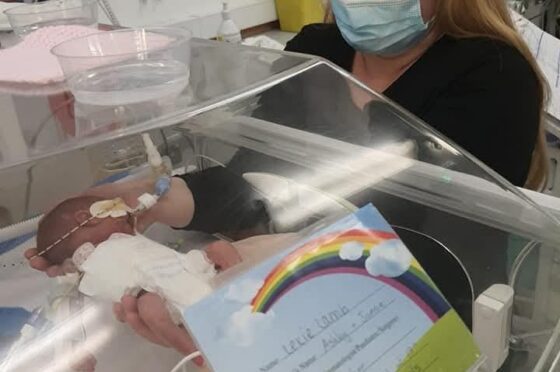
The case of CCC concerned a young girl who sustained a catastrophic brain injury at birth due to clinical negligence, significantly reducing her life expectancy to just 29 years. While adult and adolescent claimants in similar circumstances could recover damages for lost future earnings, the long-standing precedent in Croke v Wiseman prevented her from doing so.
In a majority decision of 4:1, the Supreme Court has now overturned Croke v Wiseman, finding that it was inconsistent with earlier House of Lords authority and with the fundamental principles underpinning the assessment of damages in personal injury claims.
The Court held that there should be no distinction between adult and child claimants when considering entitlement to “lost years” damages. It also confirmed that claimants do not need to prove they would have had children or financial dependants in later life for such damages to be recoverable.
The case will now return to the High Court for an assessment of damages in light of the new legal position. The value of relevant claims may increase substantially as a result of the judgment.
A correction of historical injustice
The decision brings to an end more than 40 years of legal disparity that prevented children with life-limiting injuries from recovering compensation on the same basis as adults.
Trevor Ward, Head of Birth Injury at Fletchers Solicitors commented:
“This is a landmark judgment and a hugely important development for families affected by serious birth injuries. For more than four decades, the law has prevented some of the most vulnerable individuals being children with life-limiting injuries caused by negligence, from recovering damages that would have been available to an adult in the same position.
The Supreme Court has now recognised that this distinction was unjustified. By overturning Croke v Wiseman, the Court has corrected a historical injustice and reaffirmed the core principles that should govern the assessment of damages in medical negligence and personal injury claims.
This decision ensures that severely injured children will be treated fairly and consistently, and that damages can more accurately reflect the true financial impact of the negligence they have suffered. It represents a significant and welcome step forward for claimants and their families.”
What this means for future claims
The ruling is expected to have wide-ranging implications for clinical negligence and serious injury cases involving children whose life expectancy has been reduced.
By aligning the position of child claimants with that of adults, the Supreme Court has clarified that damages for lost future earnings should be assessed according to established principles, regardless of the claimant’s age at the time of injury.
For families affected by catastrophic birth injuries or serious childhood negligence, the judgment provides greater clarity and the potential for more comprehensive compensation that better reflects the lifelong impact of the harm suffered.
Our awards
-

THE TIMES BEST LAW FIRM
-
CHAMBERS TOP RANKED LAW FIRM
-
LEGAL 500 TOP TIER FIRM
-
ARMED FORCES COVENANT
-
AVMA - LAWYERS’ SERVICE MEMBER
-
HEADWAY ACCREDITED SOLICITORS
-
SIA - TRUSTED LEGAL PARTNER
-
CBIT - TRUSTED LEGAL PARTNER








Start your claim with confidence
Not sure where to start? We’ll listen, guide you, and give clear, honest advice on what to do next.